

Loch Ness is famous for its legendary monster, but Scotland’s best-known lake is preparing to welcome a very real animal that could transform its surrounding landscape.
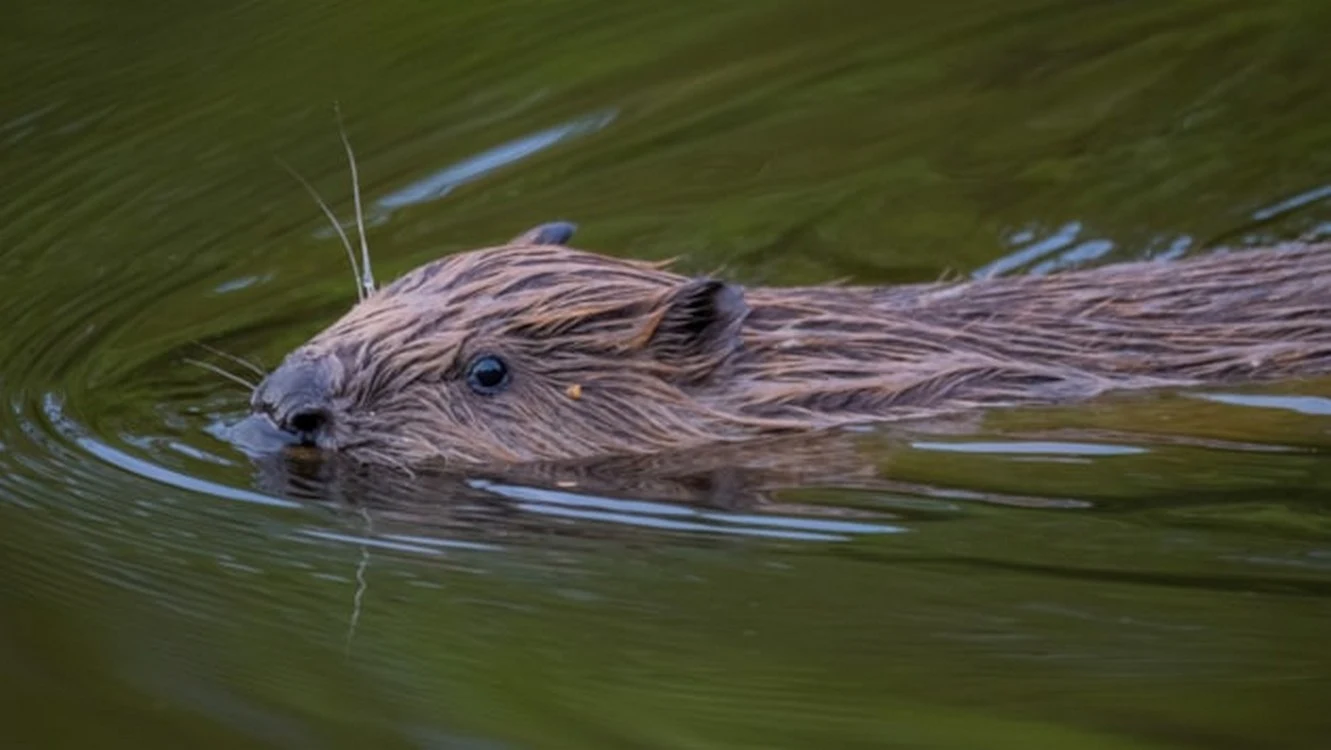
Beavers are returning to the River Ness catchment after approximately five centuries of absence. Known for their powerful teeth and remarkable ability to reshape waterways, these industrious animals could bring significant benefits to local wildlife and ecosystems.
The return became possible on October 30, when NatureScot, Scotland’s national conservation authority, approved a license allowing two conservation organizations, Trees for Life and the Beaver Trust, to release up to 15 beaver families over the next three years.
The project will cover the River Ness catchment, including the area surrounding Loch Ness.
A return five centuries in the making
Historical records suggest that beavers were last observed in the Loch Ness area between 1526 and 1527.
Their disappearance was part of a much wider decline across Britain, where centuries of hunting and habitat loss eventually drove the animals to extinction in the wild.
Now, conservationists are working to restore their place in Scotland’s waterways.
Before approving the project, NatureScot assessed the proposal under the Scottish Code for Conservation Translocations. The review considered whether the landscape was suitable, how the animals would be protected, and what effects their arrival might have on nearby communities and landowners.
The assessment concluded that beavers could deliver substantial biodiversity benefits while the risk of significant negative impacts in the proposed area was relatively low.
Community feedback was also encouraging. More than 73% of respondents supported the proposed reintroduction following the consultation process.
Why beavers are so important
Beavers are often described as ecosystem engineers because their activities can completely change the environments they inhabit.
Using their powerful teeth, they cut down trees and build dams, creating ponds and wetlands that provide shelter, feeding grounds, and breeding habitats for numerous other species.
These newly formed wetlands can support a wide range of wildlife, including amphibians, insects, birds, and aquatic plants.
Their influence extends beyond biodiversity. Beaver dams can slow the movement of water through landscapes, helping regulate water flows during periods of heavy rainfall and drought.
Robbie Kernahan, NatureScot’s Director for Wildlife Management, highlighted these benefits when announcing the approval.
He explained that beavers can create valuable wetland habitats while helping landscapes respond to both flooding and water shortages.
However, the conservation authority also acknowledged that beaver activity can sometimes create difficulties for farmers, land managers, and nearby residents.
NatureScot said it had carefully reviewed the monitoring and mitigation arrangements proposed by the organizations and believes potential conflicts can be managed through these measures and Scotland’s existing Beaver Mitigation Scheme.
Scotland’s beavers are already making a comeback
The animals are not entirely new to Scotland.
Beavers were reintroduced to the country in 2009, and their populations have gradually expanded into waterways where they once lived naturally.
The Loch Ness project represents another important step in restoring their historical range.
The organizations involved say the first translocations could begin within the coming weeks. The animals selected for relocation will generally come from other parts of Scotland where their activities are affecting valuable agricultural land or where they have struggled to establish themselves successfully.
Moving these beavers to suitable habitats could provide them with new opportunities while helping restore ecological processes in another part of the country.
A different kind of monster for Loch Ness
For generations, stories of Nessie have made Loch Ness one of the world’s most recognizable lakes. Soon, however, visitors may have a much more tangible animal to look out for.
Unlike the legendary monster, beavers are unlikely to remain hidden for long if they begin reshaping the surrounding waterways.
Their return after roughly 500 years is more than an interesting wildlife story. It represents an opportunity to restore wetlands, improve biodiversity, and bring an important native species back into a landscape where it once belonged.
So, the next time something unusual appears to move across Loch Ness, it might be worth looking twice. The mysterious shape could simply be a beaver carrying a branch rather than Scotland’s most famous mythical creature.