

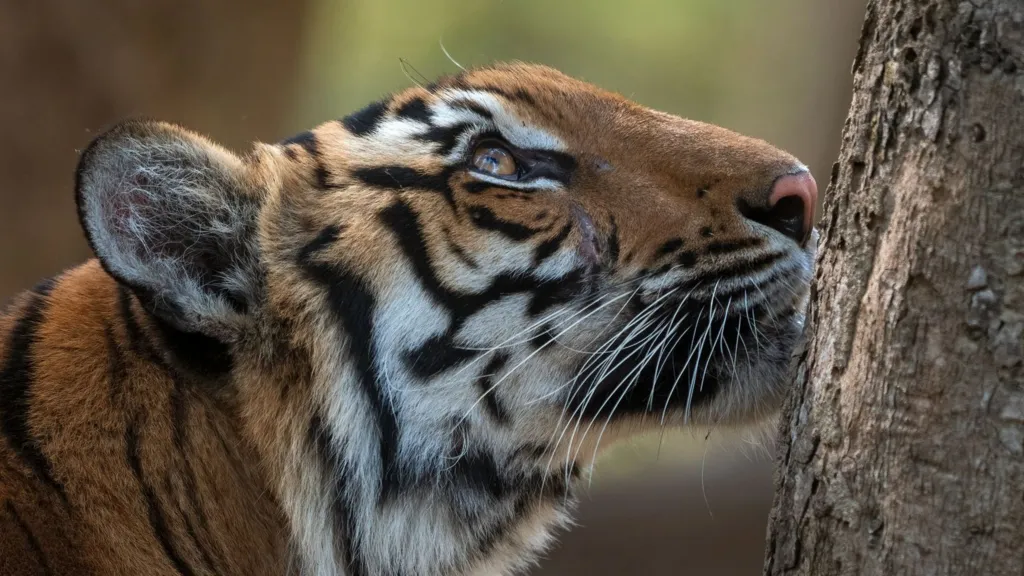
A Bengal tiger named Plassey became one of Dover’s most unusual residents during the 19th century. Brought to England by British soldiers, the animal attracted thousands of curious spectators, frightened local residents and eventually became a familiar sight at a military barracks.
Local historian Phil Eyden has shared the remarkable story of Plassey, revealing how a young tiger from India became part of British military history.
How Did a Bengal Tiger End Up in England?
Plassey’s story began in the Terai foothills of India, a region now recognised for its wildlife reserves and tiger conservation programmes.
According to Eyden, British soldiers from the 5th Lancers encountered a Bengal tigress protecting two six-week-old cubs during a hunting expedition.
The soldiers shot the mother and took the young animals. One of the cubs was subsequently given to the 102nd Royal Madras Fusiliers.
The regiment adopted the tiger and named him Plassey, after the historic Battle of Plassey in 1757.
When the regiment returned to England, the young tiger travelled with the soldiers and eventually settled at Dover’s Western Heights military barracks.
However, the arrival of such an unusual animal caused considerable excitement and concern among local residents.
Thousands Gathered to See Plassey in Dover
Plassey’s arrival was an extraordinary event for Victorian Dover.
According to Eyden, approximately 3,000 people gathered to watch as the tiger was marched from the docks to the military citadel.
For many spectators, it was their first opportunity to see a living tiger.
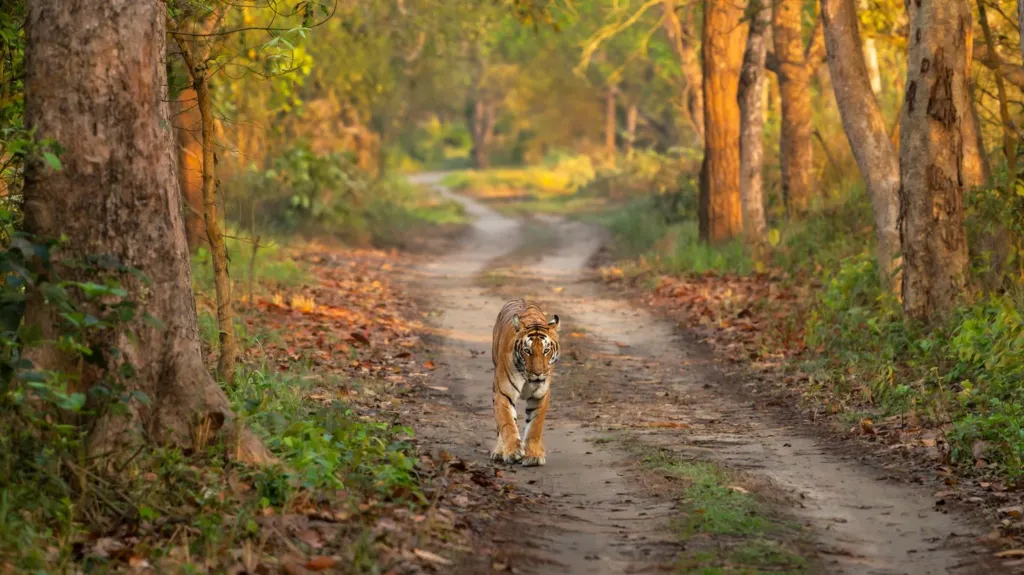
During the 19th century, exotic animals were unfamiliar to much of the British public. Seeing a Bengal tiger walking through an English town was an experience that attracted considerable attention.
However, not everyone welcomed the unusual visitor.
One frightened woman reportedly returned home and wrote to the regiment’s colonel, explaining that she was afraid to leave her house because the tiger might attack her.
The animal’s presence caused so much concern that Dover’s mayor eventually became involved.
According to the historian, the mayor requested the tiger’s removal after concerns arose that frightened residents were travelling to Folkestone to do their shopping.
Despite these complaints, Plassey remained at the military barracks and became one of Dover’s most unusual residents.
Life as a Military Mascot
While living at Dover’s Western Heights, Plassey was cared for by Paymaster Sergeant George Hartopp.
Hartopp developed a close relationship with the tiger and became responsible for his daily care.
He reportedly exercised Plassey on a chain and regularly walked him around the table during regimental dinners and special events.
The tiger became an important symbol of the regiment and an unusual attraction for visiting guests.
Keeping a wild animal as a military mascot reflected attitudes common during the Victorian period, when exotic animals were sometimes associated with prestige and military achievement.
However, as Plassey grew larger, caring for him became increasingly challenging.
What Happened to Plassey?
Plassey’s life changed following the death of his keeper, George Hartopp, who died of tuberculosis.
According to Eyden, nobody else appeared willing to take responsibility for the growing Bengal tiger.
By that stage, Plassey was already approximately three-quarters of his adult size.
Without his original keeper, the regiment eventually transferred him to London Zoo.
There, Plassey reportedly spent seven years living in captivity alongside other tigers.
He died in 1877.
Although his time in Dover had ended years earlier, his unusual story remained part of the town’s military history.
Where Is Plassey Today?
Plassey’s story has been preserved through historical records and museum collections.
His skull is held by the National Army Museum in London, where it forms part of the museum’s collection documenting Britain’s military past.
The museum also holds a historical photograph of Plassey, providing a rare visual record of the tiger who once lived at Dover’s military barracks.
These surviving objects offer an unusual insight into Victorian military traditions and the historical practice of keeping exotic animals as regimental mascots.
What Plassey’s Story Tells Us About Wildlife History
Today, the story of Plassey offers an opportunity to reflect on how human attitudes toward wild animals have changed.
During the Victorian era, capturing and transporting exotic animals was often treated as a symbol of status or achievement.
Modern wildlife conservation places greater emphasis on protecting animals in their natural environments and preventing unnecessary suffering.
Bengal tigers are now the focus of important conservation programmes in India and neighbouring regions.
Their survival depends on protecting natural habitats, maintaining healthy prey populations and reducing conflicts between people and wildlife.
Plassey’s story provides a historical example of the relationship between humans and wild animals, while raising questions about how those relationships have evolved.
Conclusion
Plassey the Bengal tiger remains one of the most unusual animals associated with Dover’s history.
From his capture in India to his arrival in England, his life attracted public attention and became closely connected with the soldiers who cared for him.
Although Plassey eventually spent his final years at London Zoo, his story survives through historical accounts and the National Army Museum’s collection.
His remarkable journey offers a fascinating glimpse into Victorian Britain, military traditions and the changing relationship between people and wildlife.