

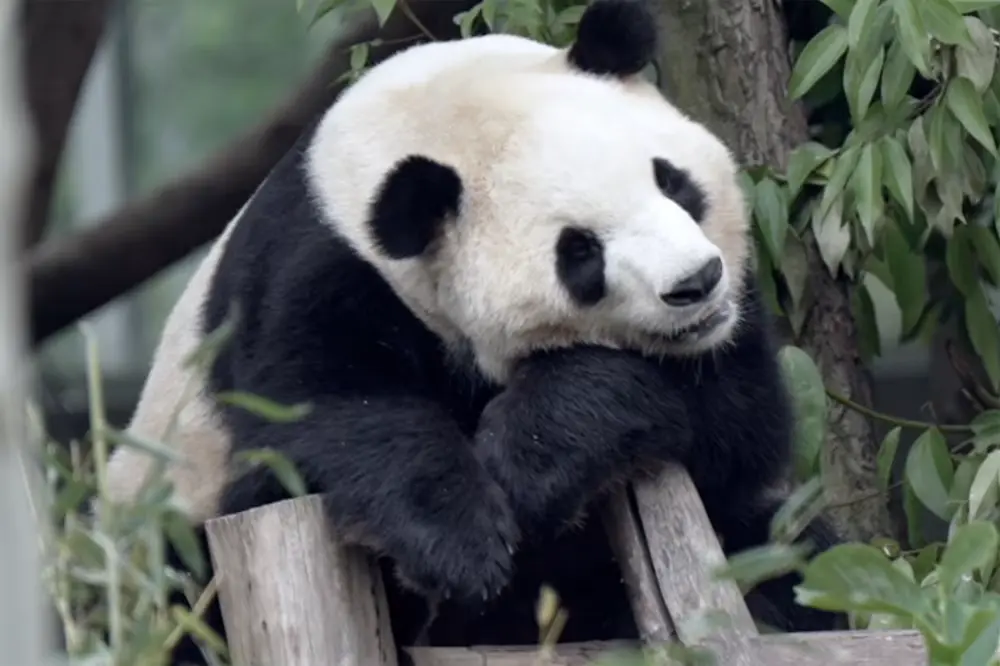
Ping Ping and Fu Shuang are the two adult pandas that will be on loan to the Atlanta zoo for 10 years as part of the agreement.
Two giant pandas have arrived at Zoo Atlanta from China, marking the return of the popular animals after a two-year absence. Their arrival is part of a new 10-year conservation agreement and a renewed chapter in cooperation between China and the United States.
The pandas, named Ping Ping and Fu Shuang, arrived at Hartsfield-Jackson Atlanta International Airport on Sunday, September 27, 2026.
They traveled from Chengdu, China, aboard a specially arranged FedEx aircraft before being transported to their new home at Zoo Atlanta.
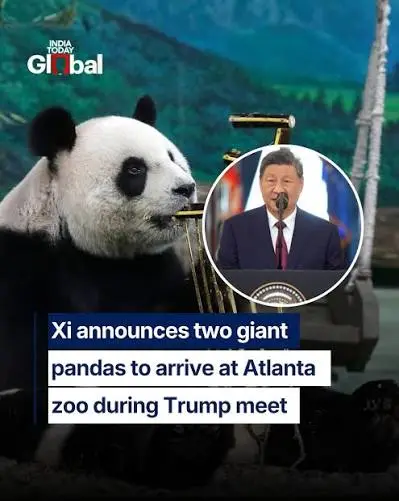
Their arrival follows an announcement made by Chinese President Xi Jinping during his visit to Washington, where he met with U.S. President Donald Trump.
The pandas will now begin a new chapter at Zoo Atlanta, supporting international wildlife conservation and scientific research.
1. Meet Zoo Atlanta’s New Giant Pandas
The two new arrivals are Ping Ping, a male, and Fu Shuang, a female. Both were born in 2020 at the Chengdu Research Base of Giant Panda Breeding in southwestern China.
Although they belong to the same species, the pandas have distinctive physical characteristics that make them easy to recognize.
Ping Ping is known for the dark black patches surrounding his eyes. Fu Shuang has a slightly protruding forehead and a distinctive appearance.
Key Facts About the New Pandas
| Feature | Ping Ping | Fu Shuang |
|---|---|---|
| Gender | Male | Female |
| Birth year | 2020 | 2020 |
| Birthplace | Chengdu, China | Chengdu, China |
| Distinctive feature | Large black eye patches | Slightly protruding forehead |
| New home | Zoo Atlanta | Zoo Atlanta |
| Agreement | 10 years | 10 years |
Both animals were cared for at the Chengdu Research Base of Giant Panda Breeding before traveling to the United States.
Their transfer is part of an international agreement focused on giant panda conservation and scientific cooperation.
2. Why Did China Send Giant Pandas to Atlanta?
The pandas arrived through a 10-year conservation agreement between Zoo Atlanta and the China Wildlife Conservation Association.
The agreement was initially announced in April 2026, although an exact arrival date was not confirmed at the time.
During his September visit to Washington, Chinese President Xi Jinping announced that the pandas would arrive in Atlanta within days.
The announcement was also an example of China’s long-standing practice of panda diplomacy, which uses international panda loans to encourage cooperation and goodwill.
The agreement allows Zoo Atlanta to resume its giant panda program while continuing conservation work with Chinese wildlife experts.
3. The Return of Giant Pandas to Zoo Atlanta
Zoo Atlanta has a long history of caring for giant pandas.
Its original panda program began in 1999, when two pandas named Lun Lun and Yang Yang arrived from China.
Over the following 25 years, the zoo became an important center for giant panda research, breeding and conservation.
The original panda pair produced seven cubs between 2006 and 2016.
However, the previous agreement expired in October 2024, and the zoo’s four remaining pandas returned to China.
This departure left Zoo Atlanta without giant pandas for nearly two years.
Timeline of Giant Pandas at Zoo Atlanta
| Year | Important event |
|---|---|
| 1999 | The first giant pandas, Lun Lun and Yang Yang, arrived in Atlanta. |
| 2006–2016 | The original panda pair produced seven cubs. |
| 2024 | Zoo Atlanta’s remaining four pandas returned to China. |
| April 2026 | A new international conservation agreement was announced. |
| September 2026 | Ping Ping and Fu Shuang arrived at Zoo Atlanta. |
The new arrivals restore the zoo’s giant panda program and create new opportunities for research, conservation and public education.
4. What Is Panda Diplomacy?
Panda diplomacy is a long-standing Chinese practice involving the transfer or loan of giant pandas to other countries.
China has used giant pandas as symbols of international friendship and cooperation for decades.
One important example occurred in 1972, when China sent two giant pandas to the United States following President Richard Nixon’s historic visit.
Today, international panda programs generally operate through long-term conservation and research agreements.
These arrangements allow participating zoos to care for giant pandas while supporting research and conservation programs.
How Panda Diplomacy Works
Step 1: International Agreement
China and an international zoo establish a conservation and research partnership.
↓
Step 2: Panda Selection
Wildlife specialists select suitable pandas and prepare them for international transportation.
↓
Step 3: International Transfer
The animals travel to their new facility under specialized veterinary supervision.
↓
Step 4: Conservation and Research
The participating organizations cooperate on panda care, scientific research and conservation programs.
↓
Step 5: Long-Term Cooperation
The partnership continues throughout the agreed period, supporting international conservation efforts.
The return of giant pandas to Atlanta represents another example of this international conservation model.
5. When Can Visitors See the New Pandas?
Although Ping Ping and Fu Shuang have arrived in Atlanta, they will not immediately be available for public viewing.
The pandas must first complete a routine quarantine period lasting approximately one month.
During this time, veterinary specialists and animal care teams will monitor their health and help them adjust to their new environment.
Zoo Atlanta has also been expanding and improving its giant panda facilities to accommodate the new arrivals.
The zoo will announce the official public viewing date after the pandas have completed their quarantine and adjustment period.
Visitors interested in seeing the animals should follow Zoo Atlanta’s official announcements for updates.
6. Why Is Giant Panda Conservation Important?
Giant pandas are among the world’s most recognizable wildlife species. However, they continue to face environmental challenges.
The International Union for Conservation of Nature classifies giant pandas as vulnerable.
Their survival in the wild depends heavily on the protection of bamboo forests, which provide their primary food source and natural habitat.
Habitat fragmentation, environmental changes and human development remain important conservation concerns.
International conservation partnerships can support several important activities:
- Protecting natural panda habitats.
- Supporting wildlife conservation research.
- Improving animal care and breeding programs.
- Encouraging international scientific cooperation.
- Increasing public awareness of endangered and vulnerable wildlife.
Zoo Atlanta’s renewed partnership with China provides another opportunity to contribute to these conservation efforts.
7. Frequently Asked Questions
What are the names of the new pandas at Zoo Atlanta?
The two new giant pandas are Ping Ping, a male, and Fu Shuang, a female. Both were born in China in 2020.
When did the new giant pandas arrive in Atlanta?
Ping Ping and Fu Shuang arrived at Hartsfield-Jackson Atlanta International Airport on September 27, 2026.
How long will the pandas stay at Zoo Atlanta?
The pandas arrived under a 10-year international conservation agreement between Zoo Atlanta and the China Wildlife Conservation Association.
Why did Zoo Atlanta lose its previous pandas?
Zoo Atlanta’s original giant panda agreement ended in October 2024. Its four remaining pandas returned to China after the agreement expired.
When will Zoo Atlanta’s new pandas be available to visitors?
The pandas are expected to complete approximately one month of quarantine before public viewing. Zoo Atlanta will announce the official viewing date.
Conclusion
The arrival of Ping Ping and Fu Shuang marks the return of giant pandas to Zoo Atlanta after nearly two years.
Their transfer represents a new chapter in international wildlife conservation and scientific cooperation between China and the United States.
Through the 10-year partnership, Zoo Atlanta will continue participating in research and conservation activities designed to support giant pandas.
As the two pandas settle into their new home, visitors will soon have another opportunity to observe these remarkable animals and learn about the importance of wildlife protection.