

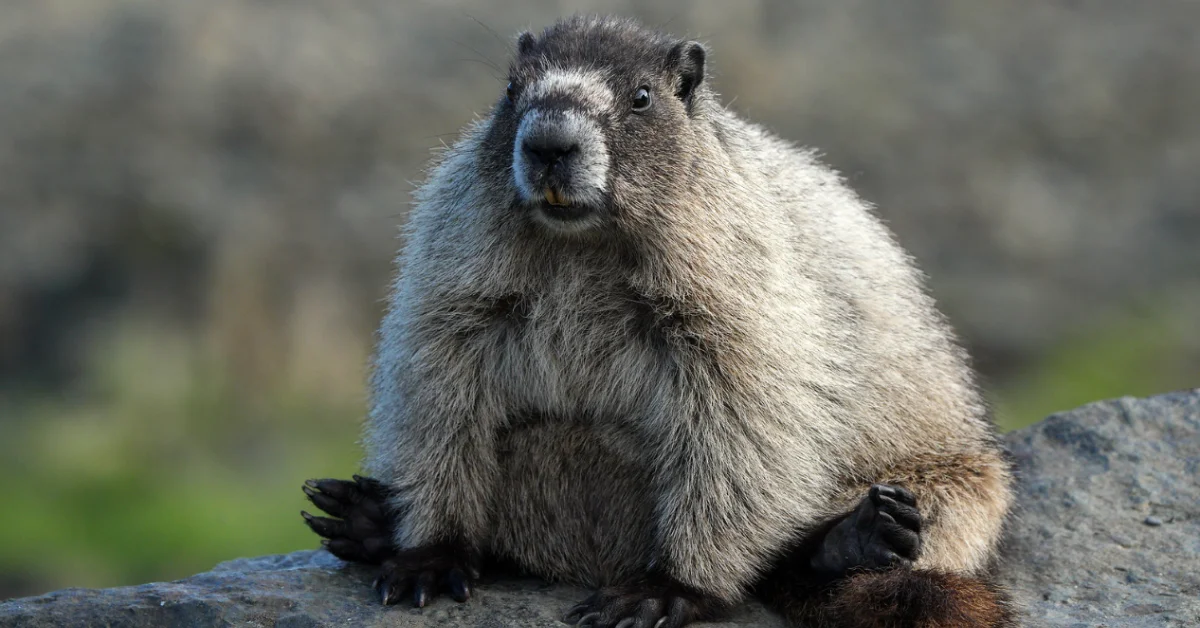
Since President Trump’s return to office, his administration has frozen or cut more than $700 million in National Science Foundation grants. The marmot study, long supported by the NSF, was among the casualties. Lead researcher Daniel Blumstein, a UCLA professor of ecology and evolutionary biology, applied for renewal three times. Three times, he was rejected. Then a program officer delivered a message that left him baffled.
“After the third time, our program officer told my colleague that they will never fund us because they think we have too much data,” Blumstein wrote in an email to SFGate. “I don’t even know how to parse that sentence. It’s nuts.”
Enter: OnlyMarms
That’s when Emily Renkey, a first-year master’s student in Blumstein’s lab, had an idea.
She opened an account on OnlyFans — the subscription platform better known for adult content — and called it OnlyMarms. The premise: unfiltered yellow-bellied marmot content from the Rockies, strictly G-rated, and genuinely charming.
“Sometimes I’m just posting the videos I think will get the most ‘aws,'” Renkey said. “But my favorite is when I find footage of a particular behavior and I can use that to educate people.”
Fat Marmot Week
The early success of OnlyMarms inspired a second initiative: Fat Marmot Week, a public voting tournament running August 24–29, modelled on Alaska’s beloved Fat Bear Week at Katmai National Park. In the lead-up, the lab will feature marmot contenders on its website every Monday and Friday, with public voting — and donations — opening on August 24.
So far, one contender has been announced: a female named Dan’s Hat, described by researchers as “the cool aunt who’s part of Stonehenge’s matriline.”
Science vs. showmanship
Blumstein is grateful for the creativity but candid about what it means that it’s necessary.
“Ultimately, we should be spending our time writing papers, not thinking up out-of-the-box ways to get funding,” he said.
Renkey sees it differently — or at least, less reluctantly.
“I don’t know if I agree with the idea that scientists shouldn’t have to be opportunistic and creative. I think that’s a lot of what science and research is,” she said. “It can be intimidating to engage with the public like this, but why are we doing this work if not to help forward humanity with it?”
Sixty-three years of data. Marmots that have taught the world about animal communication, predator evasion, social bonding, and climate response. And now, their best hope for survival is a subscription page and a fat animal competition.
The marmots, for their part, appear unbothered.