

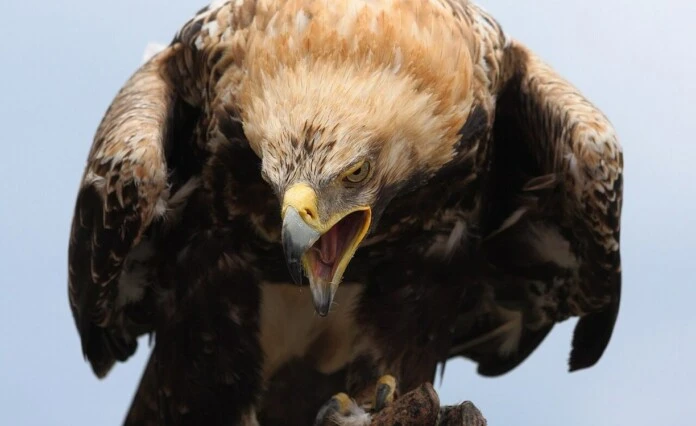
The Serbian Bird Protection and Research Society (DZPPS) has confirmed that 2024 was the most successful year for the eastern imperial eagle since targeted conservation work launched in 2017. That year, just a single known breeding pair remained in the country. Today, 29 breeding pairs have been recorded, with 16 of those successfully raising 25 chicks to fledge.
For a species listed as Vulnerable by the IUCN, it’s a result worth celebrating.
A bird of real significance
The eastern imperial eagle is Serbia’s national bird and features on the country’s flag — as majestic a symbol as the Balkans has to offer. Milan Ružić, Executive Director of DZPPS, describes it as “a symbol of nature conservation in Serbia,” and notes that growing public interest in the eagle’s recovery is itself a reason for optimism.
The species is found across Eurasia as far east as Hong Kong, but its Serbian population had dwindled to the very edge of survival before conservation efforts began to turn the tide.
Spreading into new territory
Most sightings remain concentrated in the Banat region along the Tisa River, long the stronghold of the Serbian population. But this year brought an encouraging first — a nesting pair was recorded in southern Bačka, a region where the species had not previously been confirmed. Recovery in neighbouring Hungary has also helped, with birds recolonising across the border and strengthening the wider regional population.
Tracking the next generation
Young fledglings will be fitted with radio transceivers where it is safe to do so, allowing researchers to follow where the growing population disperses, where individuals hunt, and where bachelor males travel as they search for mates and territory.
The data will help conservationists understand not just where the eagles are now — but where they’re headed next.
From one breeding pair to twenty-nine in under a decade. Serbia’s national bird is coming back.