

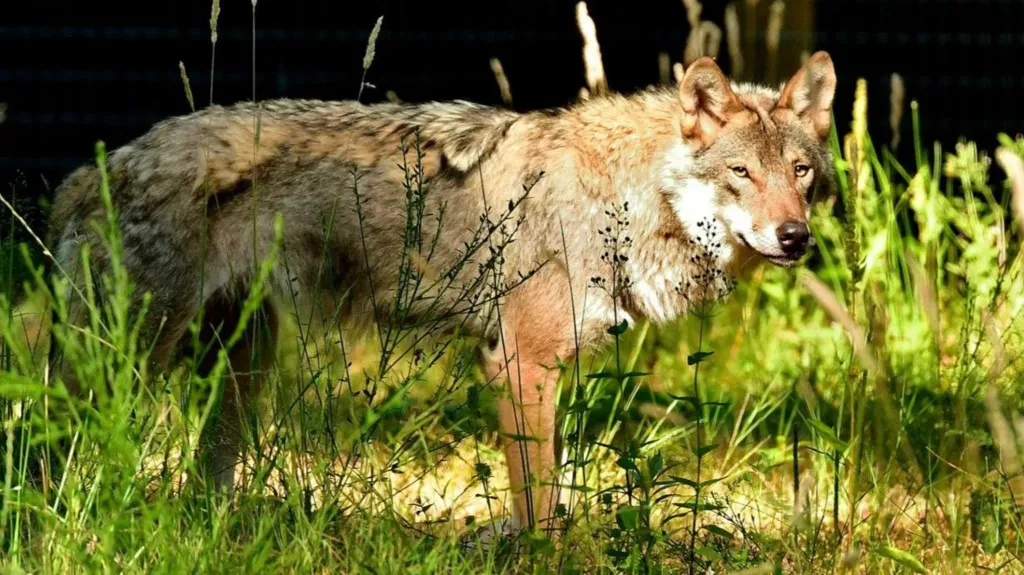
After nearly two years without wolves, New Forest Wildlife Park in Hampshire has officially welcomed a new pair of European grey wolves.
The arrivals mark the beginning of an exciting new chapter for the park, which had long hoped to bring wolves back after losing the last members of its previous pack.
The new residents—a two-year-old female and a one-year-old male—have already started settling into their purpose-built home.
An International Journey
The female wolf arrived from the Reserve d’Animaux Sauvages in Belgium, while the younger male came from Parc Animalier de Sainte Croix in France.
Before making the journey to England, the pair spent time together in Belgium, allowing them to form a bond before beginning life in their new home.
The careful introduction was an important step, as wolves are highly social animals that depend on strong relationships within their pack.
Months of Planning Behind the Scenes
Although the park always intended to bring wolves back, the process proved far more complicated than expected.
Post-Brexit regulations created additional paperwork and logistical challenges when transporting animals from Europe.
The move required months of planning and close cooperation with the European Association of Zoos and Aquaria’s species coordinator to ensure everything was carried out safely and responsibly.
A New Home Designed for Their Needs
The wolves now live in a specially designed enclosure built on the site of the park’s former wolf habitat.
The spacious environment has been created to encourage natural behaviors while providing the animals with plenty of room to explore, rest, and strengthen their bond.
Visitors will soon have the opportunity to observe the pair as they continue settling into their new surroundings.
Why Wolves Need Companionship
According to Jason Palmer, Curator of Collections at New Forest Wildlife Park, wolves are among the most complex animals cared for in modern zoos.
“Wolves are a highly complex social species and they are one of the most challenging species to keep well in captivity,” Palmer said.
“We can’t wait for our visitors to meet them.”
Because wolves naturally live in family groups, maintaining strong social bonds is essential to their well-being.
Remembering the Previous Pack
The park’s former wolf pack arrived in 2010 and spent many years delighting visitors.
As the wolves grew older, several developed age-related health problems.
Cedar, Idaho, and Rocky passed away first, leaving only Chaser and Aspen.
When Chaser’s condition deteriorated significantly, keepers became concerned about Aspen’s welfare. Since wolves rely heavily on companionship, they feared Aspen would struggle after losing her lifelong pack mate.
In October 2024, the difficult decision was made to humanely euthanize both wolves, bringing an emotional end to the pack’s story.
Strengthening the Park’s Wildlife Collection
The arrival of the new wolves continues the park’s efforts to expand its collection of iconic predators.
Last year, visitors welcomed Bodie, Hampshire’s only wolverine, while earlier this year lynx sisters Tora and Inga also joined the park.
Together with the new wolf pair, these remarkable animals help educate visitors about some of Europe’s most fascinating carnivores and the importance of protecting them in the wild.
Looking Ahead
For staff at New Forest Wildlife Park, welcoming the wolves back represents far more than simply introducing two new animals.
It marks the return of one of the park’s most beloved species and the beginning of a new story that visitors will be able to follow for years to come.
As the young pair continue building their bond and exploring their new home, the future once again looks bright for wolves at the park.