

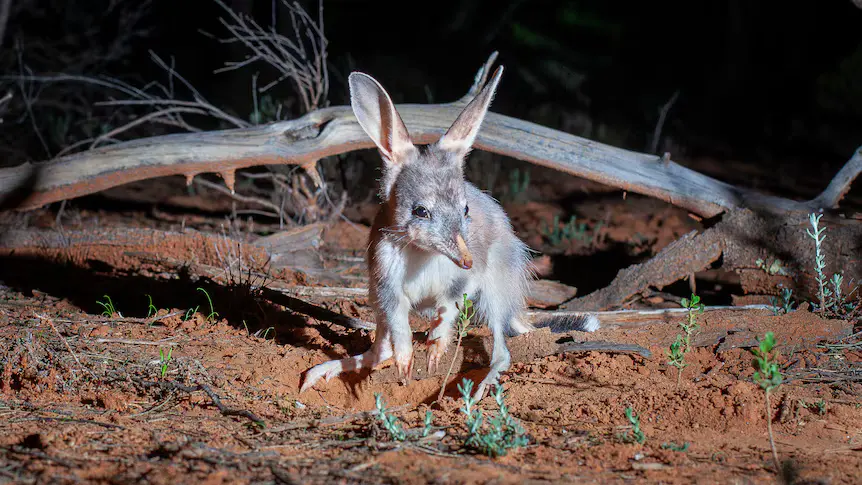
The greater bilby population is rising sharply across several protected sites in Australia, with especially strong results reported in the Northern Territory’s red centre.
A survey by the Australian Wildlife Conservancy counted 5,330 bilbies across six sanctuary locations in the Northern Territory, Western Australia, South Australia, and New South Wales. The organisation said this marks its strongest increase in recent years, with the overall population now four times higher than it was in 2021.
Once found across much of Australia, greater bilbies suffered a major decline after colonisation, largely because of habitat disruption and introduced predators such as foxes and feral cats.
One of the biggest success stories came from Newhaven Wildlife Sanctuary, a former cattle station in the Northern Territory that has been transformed into a conservation area. There, the bilby population has grown to 530 animals from just 66 individuals released in 2022.
Another standout site was Mallee Cliffs National Park in New South Wales, where the population climbed to 1,840 bilbies after only 107 were released between 2021 and 2023.
At Newhaven, the animals live inside a 9,450-hectare predator-proof fenced area located about 350 kilometres northwest of Alice Springs. The latest survey was the first full population estimate since bilbies were reintroduced there.
Wildlife ecologist Tim Henderson said predator exclusion has played a major role in the species’ success. By keeping feral cats and foxes out, the sanctuary has created conditions where bilbies can thrive more safely.
He also pointed to continued land management efforts, including fire control, weed treatment, and regular fence maintenance, as important factors in supporting the growing population.
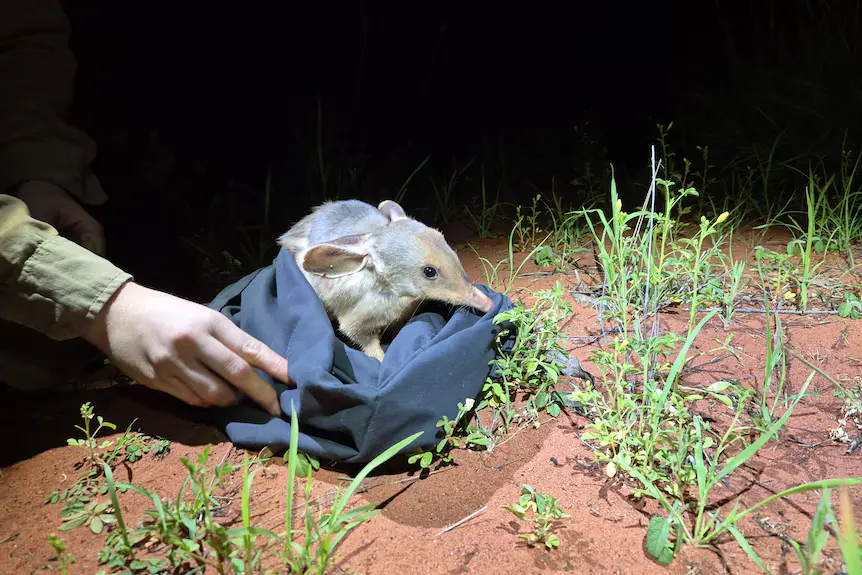
Several years of higher-than-average rainfall have helped as well, increasing the food available to bilbies and reducing the need for them to dig as extensively to find it.
Henderson explained that the abundance of resources, combined with the absence of predation pressure, has allowed the animals to reproduce and spread rapidly.
The return of bilbies has also benefited the broader ecosystem. Their digging turns over the soil, which helps promote seed growth and supports richer, more diverse vegetation.
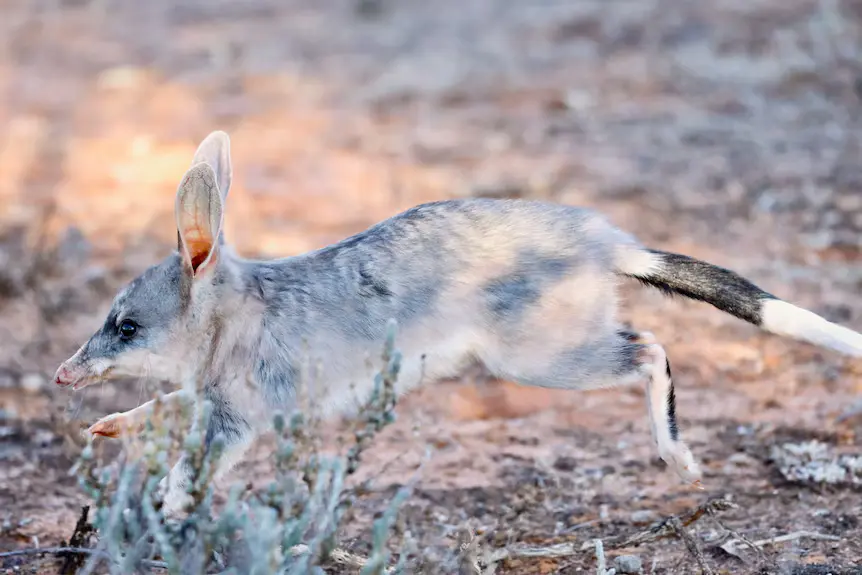
Other native animals are benefiting too. Henderson noted that species such as the burrowing bettong can expand and reuse bilby burrows, turning them into large communal shelter systems.
Even with the current boom, researchers believe bilby numbers may eventually level off or temporarily decline when the region experiences its next drought. Still, Henderson said the population is now strong enough that it should be able to recover once wetter conditions return.