

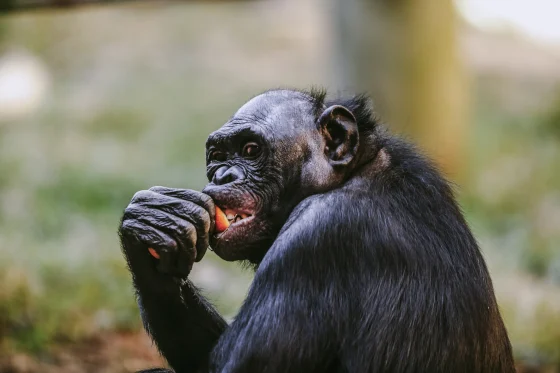
A bonobo at Memphis Zoo recently caused damage to the safety glass of its enclosure after leaping toward visitors. The incident, captured on video and later verified by NBC News, shows the primate launching itself toward the barrier while onlookers laugh nearby.
The impact cracked the protective glass, forcing the zoo to temporarily close the bonobo exhibit while repairs are carried out.
What Happened During the Incident
According to zoo officials, the event occurred on a Thursday when the bonobo suddenly jumped toward the viewing area. Staff believe the animal may have reacted to visitors who were teasing or provoking it.
Even though the primate struck the glass with considerable force, the enclosure’s safety barrier performed as designed.
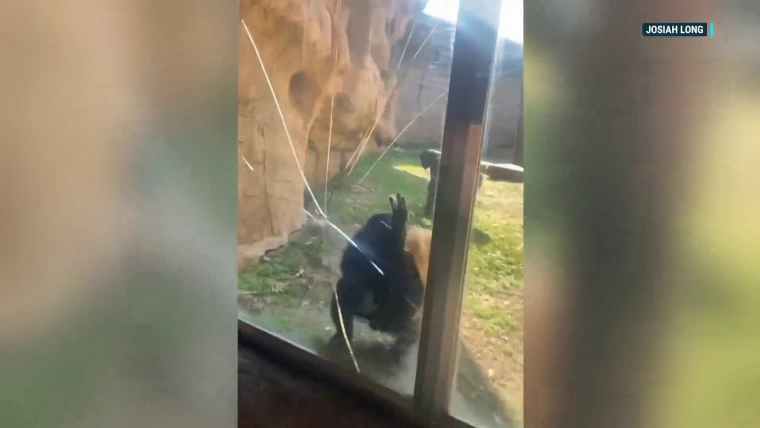
The habitat uses several layers of reinforced safety glass — sometimes combined with acrylic — built to strict safety standards. While the outer panel was damaged, the inner layers remained intact, preventing any breach.
Zoo officials confirmed that:
- No visitors were injured
- The bonobo was unharmed
- The enclosure remained secure
Exhibit Temporarily Closed
Because the glass panels are specially manufactured, the zoo says replacing the damaged barrier may take some time. Until repairs are complete, the bonobo exhibit will remain closed.
During this period, the animals will have restricted access to parts of their outdoor habitat, limiting how much space they can use.
Zoo representatives said this disruption affects the animals’ routines and wellbeing, which is why they emphasize respectful visitor behavior.
A Reminder for Visitors
The zoo used the incident to remind guests about proper conduct around animals.
Visitors are asked to avoid:
- Banging on exhibit glass
- Yelling or shouting at animals
- Teasing or provoking them
- Crowding exhibit barriers
Such behavior can stress animals and interfere with their daily activities.
About Bonobos
Bonobos are closely related to chimpanzees and are known for their intelligence and complex social behavior. According to International Union for Conservation of Nature, the species is classified as endangered.
In the wild, bonobos live only in the forests of the Democratic Republic of Congo, where habitat loss and hunting threaten their survival.
For zoos and conservation programs, maintaining a calm and respectful environment is essential — not only for visitor safety, but also for the wellbeing of these highly sensitive animals.