

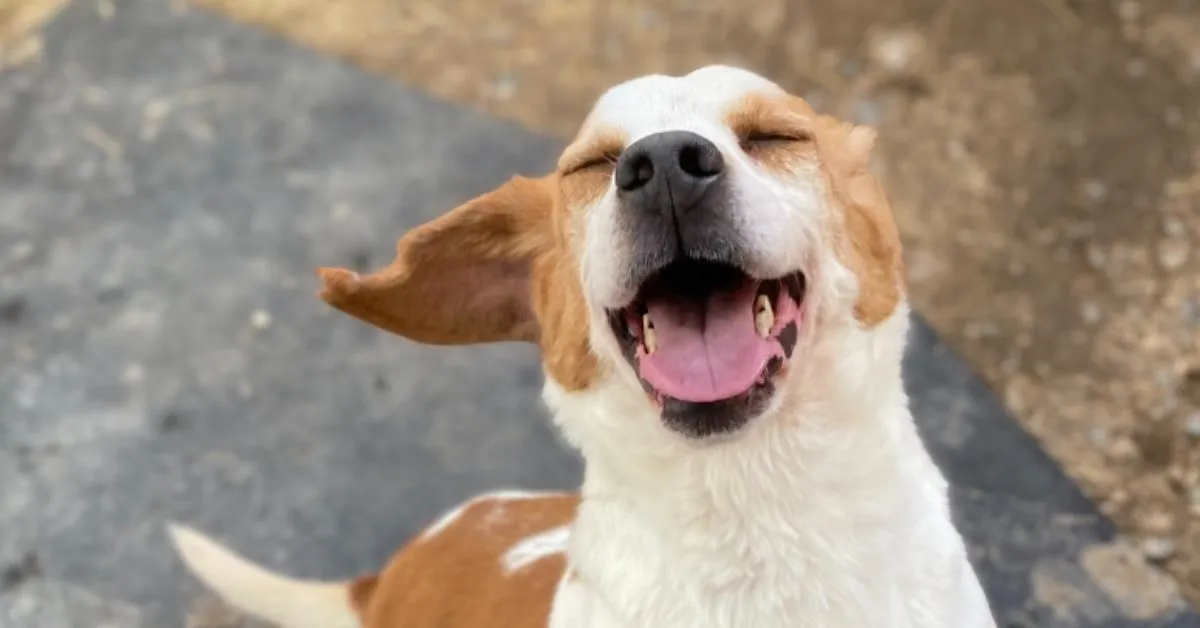
At Kindness Ranch Animal Sanctuary in Hartville, Wyoming, John Ramer tends to a diverse farm of rescued animals — from dogs and cats to pigs, horses, sheep, goats, cows, and llamas. All of these animals were originally slated for euthanasia in research facilities, until Ramer persuaded laboratories to give them a second chance at life.
“It’s easy to be against something,” Ramer, executive director of Kindness Ranch, told Cowboy State Daily. “I could tell everyone that I’m against euthanasia, but that alone doesn’t change anything. I had to figure out what I’m actually in favor of.”
His answer: building relationships with research facilities and showing them that alternatives to euthanasia exist. “We can still object to animal testing while finding common ground — proving that euthanasia isn’t required,” Ramer explained.
Pioneering a New Kind of Sanctuary
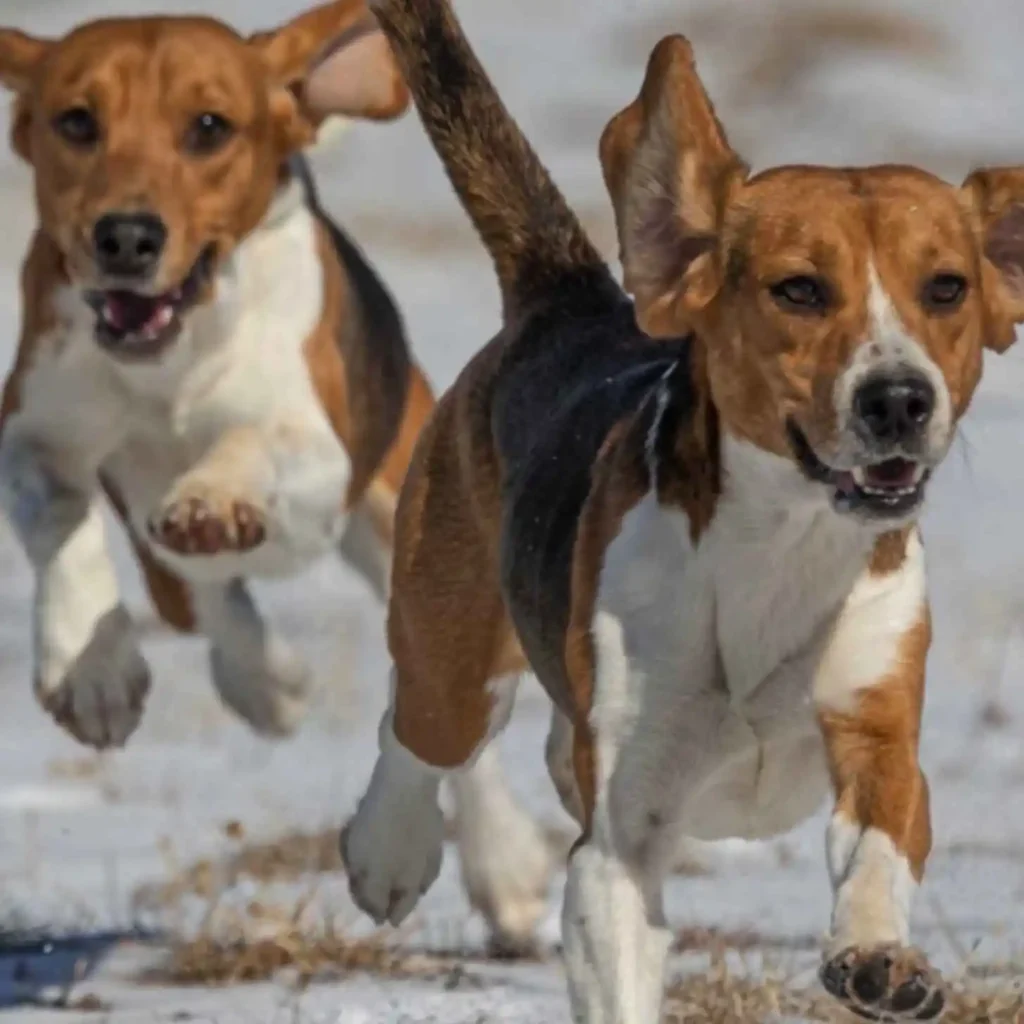
Kindness Ranch was founded in 2007 by Denver psychologist Dr. David Groobman and became the first sanctuary in the U.S. dedicated to rehabilitating former research animals with the goal of eventually rehoming them.
Since its founding, the sanctuary has grown exponentially. “We’ve gone from rescuing 30 animals a year to recently placing more than 500 dogs and cats into private homes within a single year,” Ramer said.
Beagles Lead the Way
Among the rescued animals, beagles are the most common intake due to their prevalence in research studies. When Cowboy State Daily visited Kindness Ranch in early June, the team was preparing for the arrival of 47 more beagles.
Farm supervisor Terri Brunner emphasized the sanctuary’s forward-looking approach:
“We don’t focus on their past. What matters is their future. We aim to provide them a safe, comfortable, and enriching life here at Kindness Ranch.”
How to Support
Kindness Ranch Animal Sanctuary relies on support from the community to care for its growing population of rescued animals. Those interested in helping can fulfill items on the sanctuary’s animal wishlists via their website, directly contributing to the well-being and rehabilitation of these animals.