

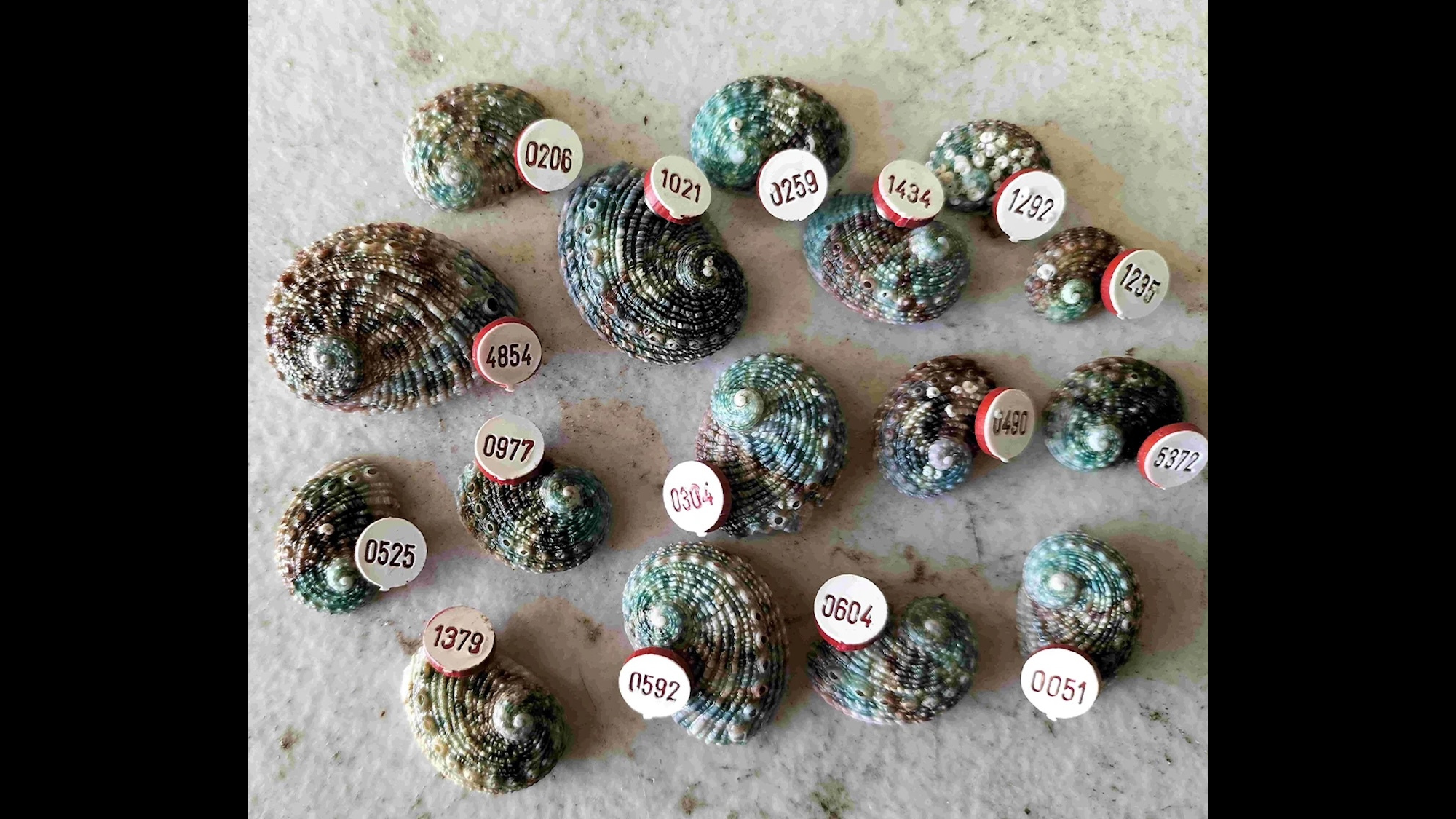
Researchers are urging beachgoers to report the endangered, tagged sea snails.
Woman Finds Tagged Abalone Shell in Australia — And It’s Helping Save a Critically Endangered Species
A surprising discovery on a beach near Perth, Australia, is now helping scientists protect one of the world’s most threatened marine species — the black abalone.
While the shell may look small and ordinary, researchers say it is part of a long-term government conservation project designed to track and restore wild abalone populations.
Why Black Abalone Are in Danger
The black abalone (Haliotis cracherodii) is considered a delicacy around the world, with high-end restaurants charging up to $40 per serving.
Because of overfishing and illegal harvesting, the species is now critically endangered, despite being farmed in some regions.
A Curious Find on the Beach
The discovery was made at Mettams Pool, near Perth, when local resident Elisha Blott noticed a broken shell fragment in the sand.
It had the unmistakable pearlescent inside of an abalone — but something else caught her eye.
Attached to the shell was a bright plastic tag with the number 5247 printed in red.
“I’d never seen a shell with a tag before. I was really intrigued,” Blott said.
What the Tag Really Means
Scientists at Western Australia’s Department of Primary Industries and Regional Development (DPIRD) quickly identified the tag as part of a large conservation study.
“Each tag number is linked to a record in our database that contains key information about that individual abalone,” said research scientist Jamin Brown.
The tagged abalone are part of a group of 7,000 juveniles raised in hatcheries and released into the wild beginning in 2023.
How the Tags Stay Attached
Each tag is mounted on a tiny stainless-steel spring and attached to the growing edge of the shell. Over time, the abalone’s shell grows around the spring, permanently securing the tag.
Each four-digit code tracks:
- Date of birth
- Size and age at tagging
- Release date and location
How the Public Can Help
Although the tagging phase has ended, monitoring continues. DPIRD is asking anyone who finds a tagged shell to report it.
They request:
- A clear photo of the shell
- The tag visible next to a ruler
- The date and location of the find
These details can be submitted through DPIRD’s online reporting system.
Protecting a Species for the Future
As more people report tagged shells, scientists will gain vital data on how black abalone grow, survive, and move in the wild.
What began as a curious beach find is now playing a role in protecting a species on the brink of extinction.