

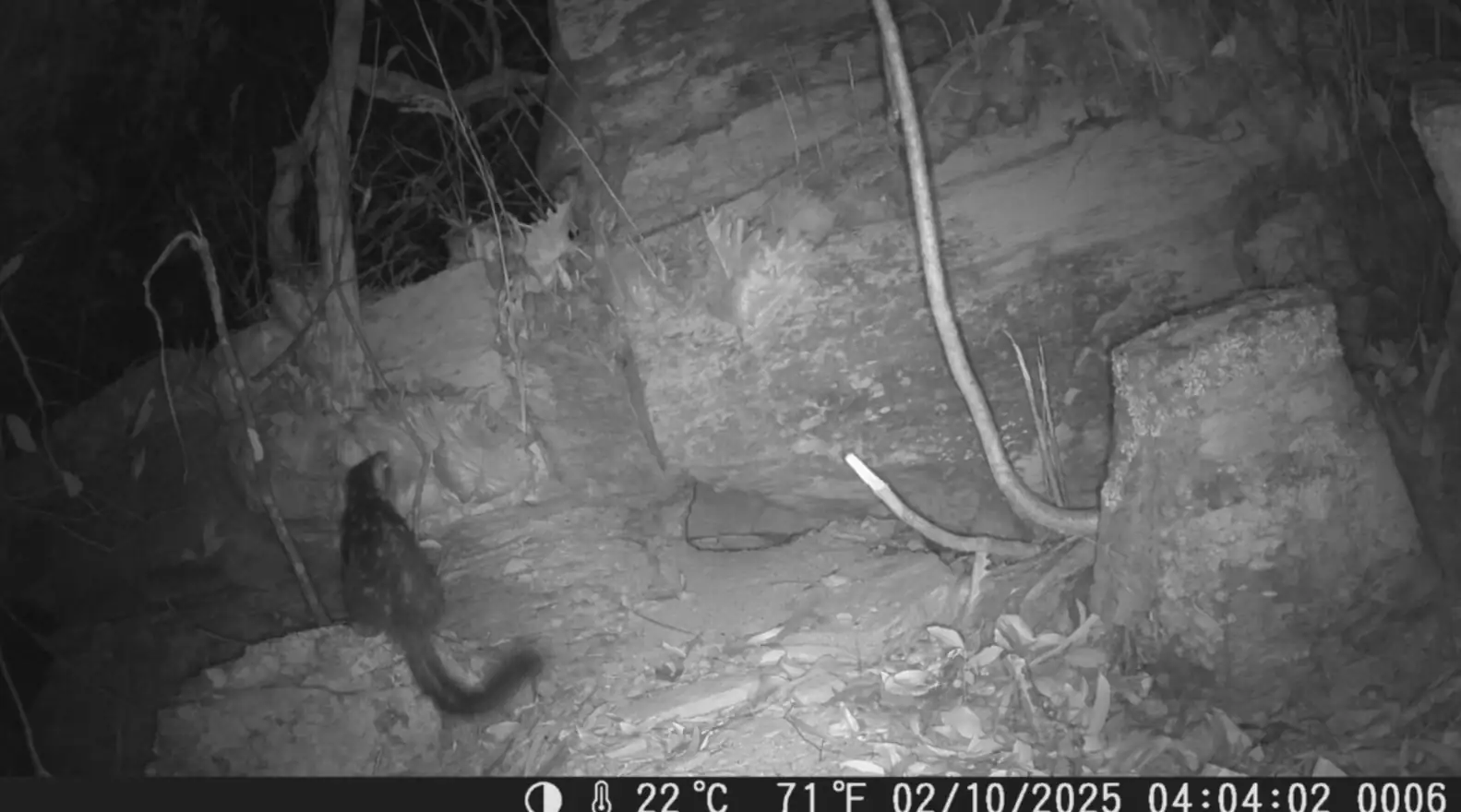
“It was a fantastic surprise!”
A Wildlife Sanctuary Full of Life — Until One Species Was Missing
The Piccaninny Plains Wildlife Sanctuary in Far North Queensland, Australia, supports a wide range of native wildlife. Hawks soar overhead, possums forage through the trees, and echidnas roam freely across protected woodlands and grasslands.
For decades, however, one iconic species remained noticeably absent.
Trail Camera Captures a Shocking Return
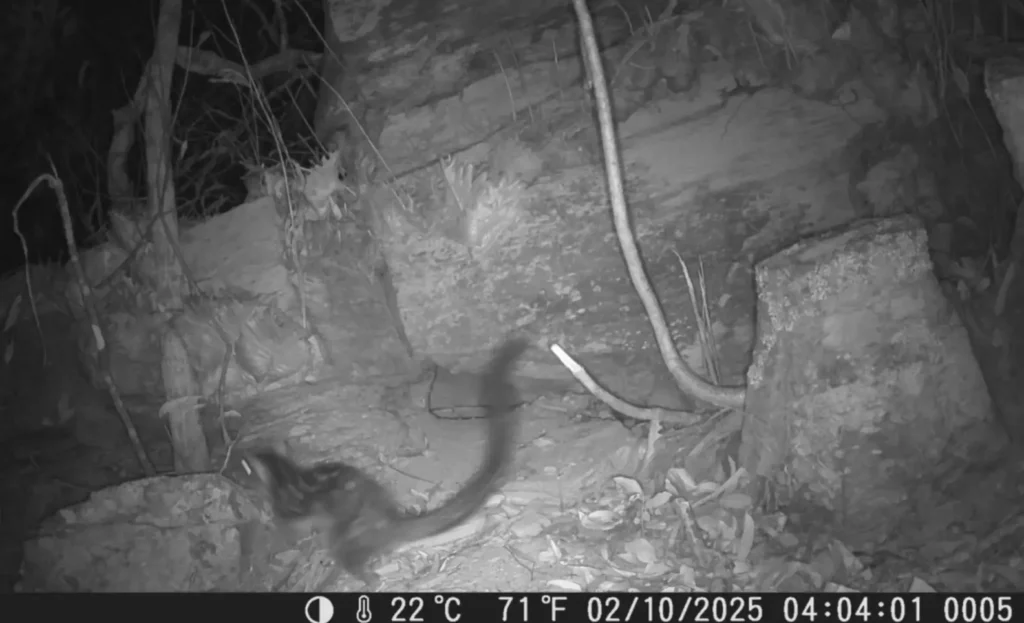
That changed recently when animal scientists reviewed footage from a hidden trail camera and spotted something extraordinary. A small marsupial darted across the frame, confirming what conservationists had hoped for but hadn’t seen in generations.
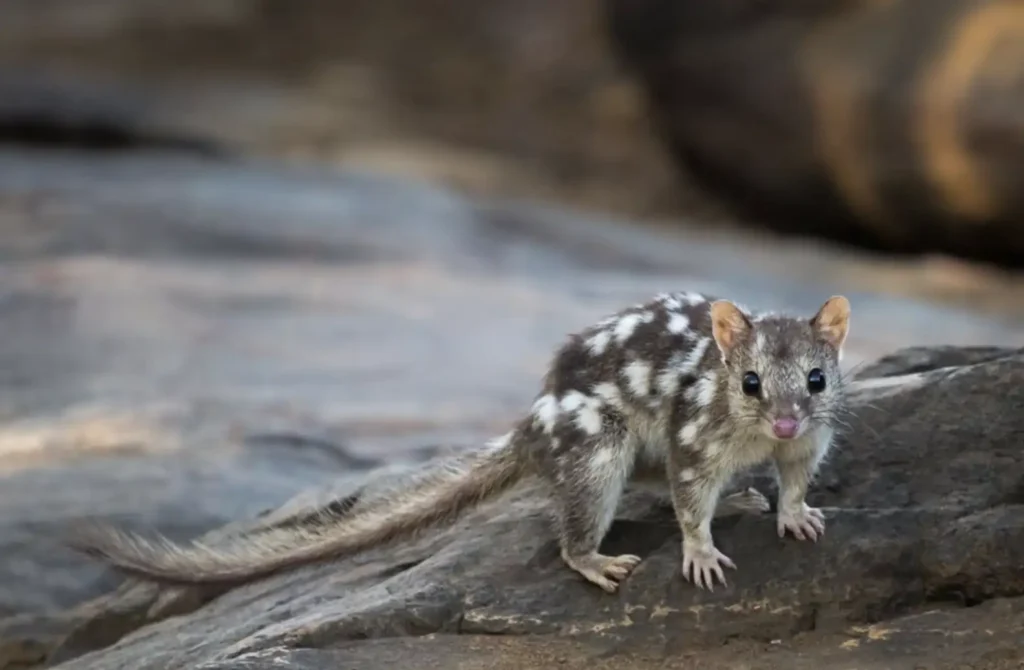
The animal was a northern quoll, an endangered Australian marsupial known for its white spots and long tail.
Why the Northern Quoll Matters
The International Union for Conservation of Nature (IUCN) currently lists the northern quoll as endangered. According to the Australian Wildlife Conservancy (AWC), which jointly owns the sanctuary with The Tony & Lisette Lewis Foundation, these animals once thrived across northern Australia.
Over time, feral predators, habitat loss, and environmental pressures caused their population to collapse. For more than 80 years, northern quolls appeared to have disappeared entirely from Piccaninny Plains.
A Hunch Leads to a Historic Discovery
Late last year, sanctuary manager Nick Stock suspected the quolls might still be present. Acting on that instinct, he placed a single camera in a remote area of the preserve.
Within days, the camera recorded a northern quoll passing through the landscape.
“It was a fantastic surprise,” said Dr. Helena Stokes, wildlife ecologist with AWC. “After years without sightings, confirming a northern quoll on the sanctuary is hugely uplifting for our team.”
A Positive Sign for Conservation Efforts
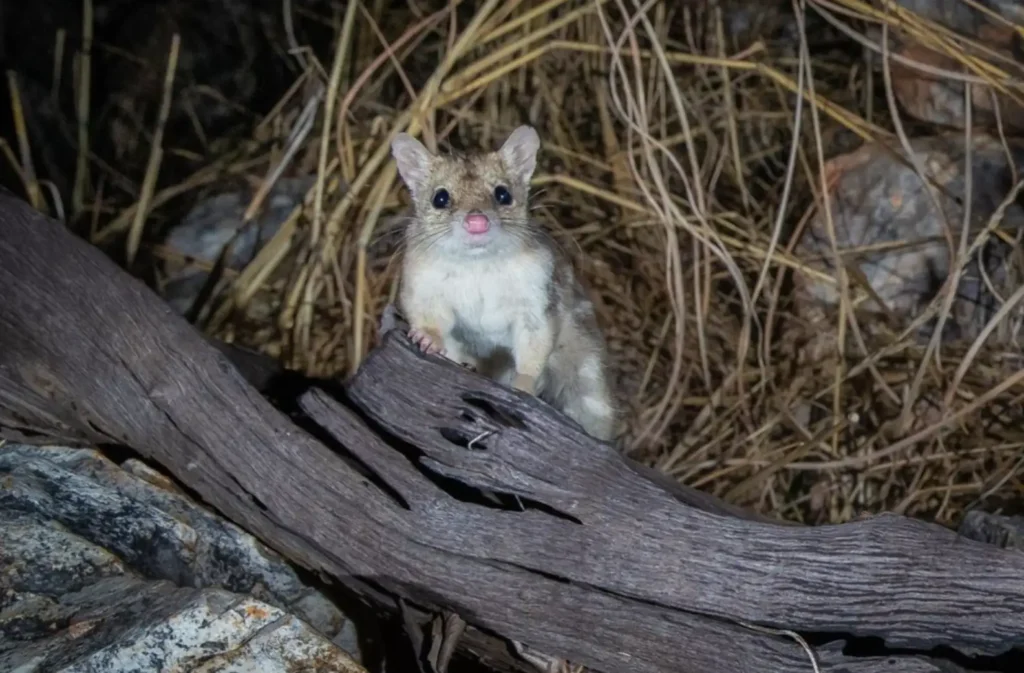
Dr. Stokes believes the sighting signals that recent conservation work has started to pay off. The return of a top native predator often reflects broader environmental recovery.
“As a predator, the northern quoll helps regulate populations of small mammals and plays a key role in maintaining balanced ecosystems,” wrote the Foundation for National Parks and Wildlife.
Continued Surveys Offer Hope for More Rediscoveries
Encouraged by the discovery, AWC plans to expand wildlife surveys across the sanctuary this year in hopes of locating more endangered species.
“Every rediscovery matters,” Stock said. “Just when we were close to giving up hope, this little quoll reminded us why we keep searching — and why protecting large landscapes is essential.”