

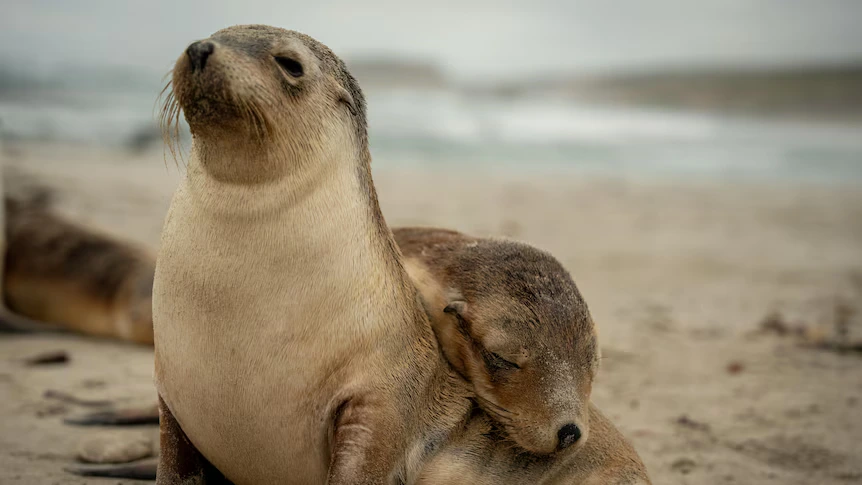
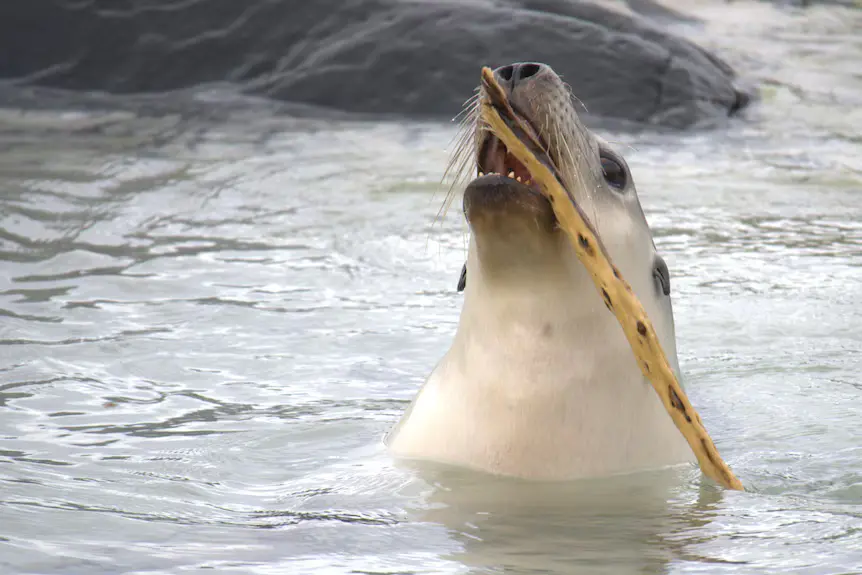
Australia’s rare sea lions have endured a particularly harsh breeding season, with researchers reporting a sharp rise in pup deaths in waters affected by harmful algal blooms between Kangaroo Island and the South Australian mainland.
Fewer than 10,000 Australian sea lions are believed to remain in the wild, according to experts, and about 85% of the declining population lives along South Australia’s coastline.
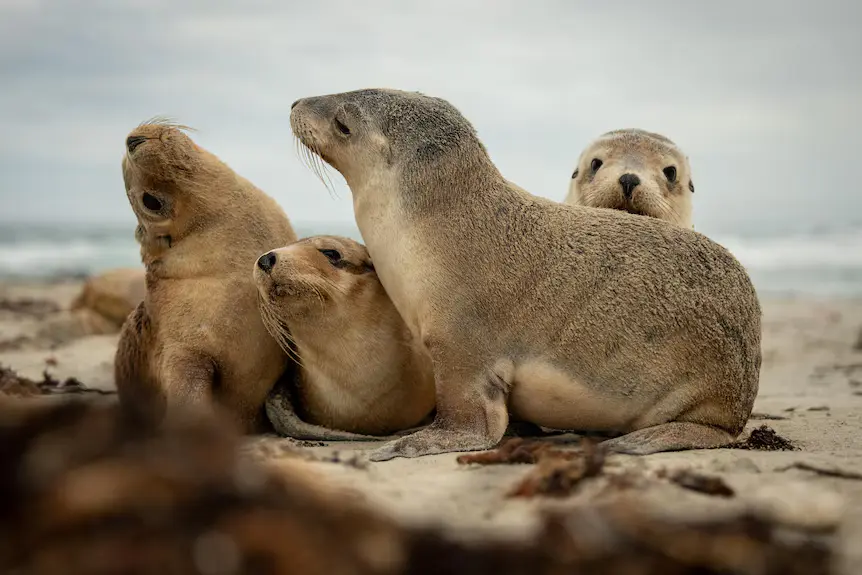
One of the species’ most important breeding sites — the remote Pages Islands, located between Kangaroo Island and the mainland — has long been considered relatively stable. This season, however, that colony saw an alarming increase in pup mortality.
Observers from the South Australian Research and Development Institute (SARDI) recorded 84 dead pups during visits in August and September. That equates to a mortality rate of 34.1%, a dramatic jump from the colony’s recent average of just under 5%.
The spike coincided with severe impacts from South Australia’s ongoing harmful algal bloom, which affected the waters surrounding the colonies.
SARDI executive director Mike Steer said the deaths were linked primarily to nutritional stress in mother sea lions, though researchers noted that surviving pups were generally in normal physical condition.
Emergency measures to protect pups
In response, state and federal governments recently announced $1.4 million in joint funding to continue treating pups for hookworm infections and to install protective shelters. The shelters aim to provide shade and refuge from both heat and aggressive adult sea lions, particularly at Seal Bay on Kangaroo Island — a major breeding site and tourist destination.
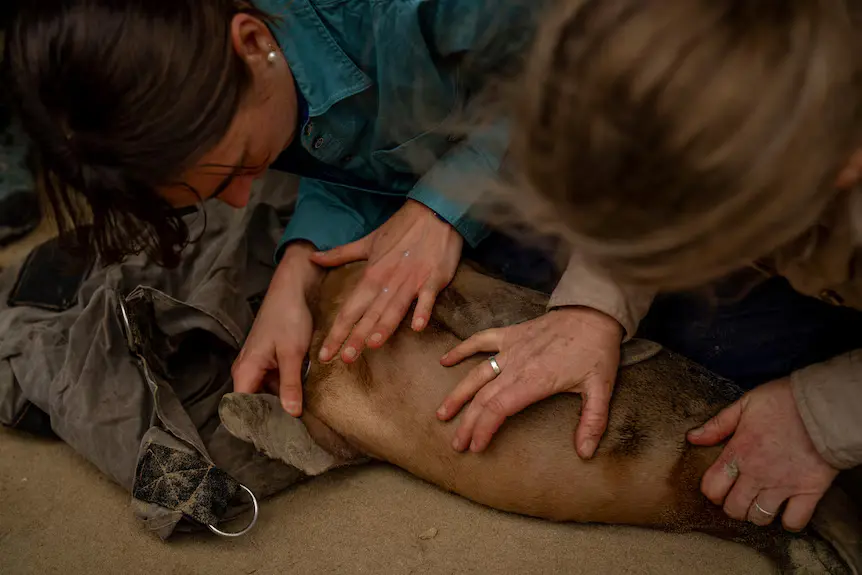
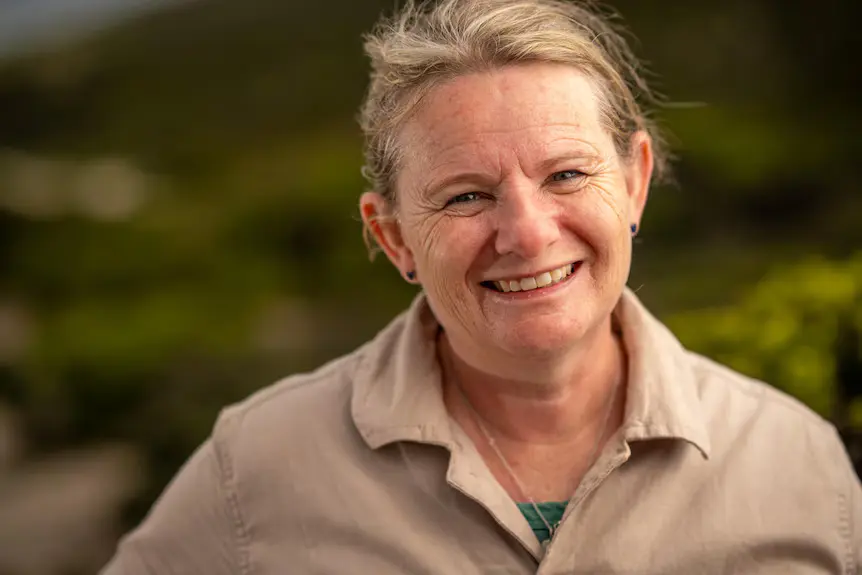
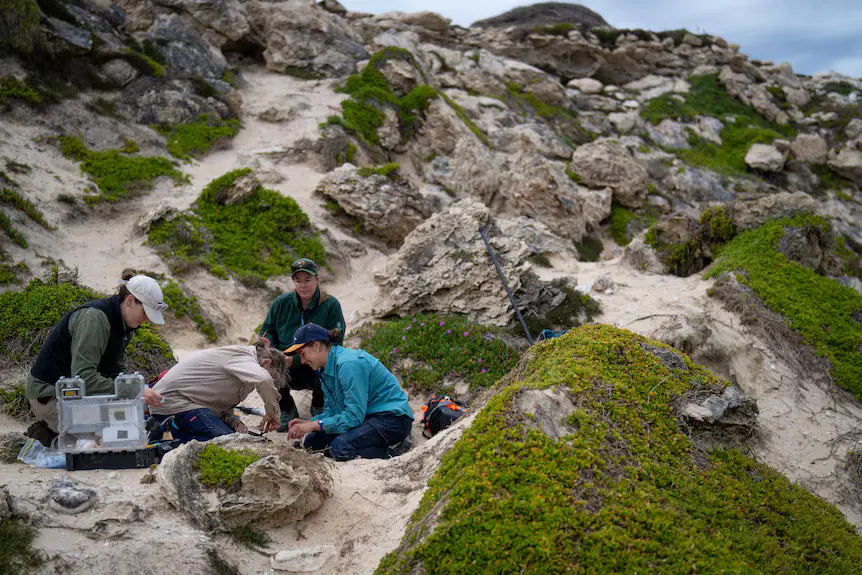
Veterinarian and University of Sydney associate professor Dr. Rachael Gray has worked at Seal Bay for two decades, scaling dunes and cliffs to monitor, microchip, and assess newborn pups.
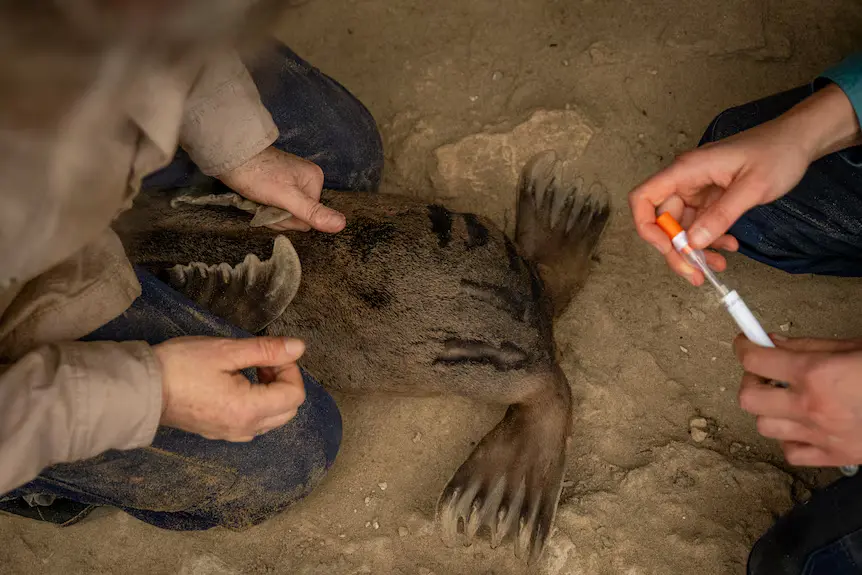
For the past six years, her team has also been administering early hookworm treatment to pups, a step that can significantly improve their chances of surviving to adulthood.
“It’s a tough start to life,” Dr. Gray said. “They’re playful and adorable, but making it to 18 months is a real challenge.”
A narrow window for treatment
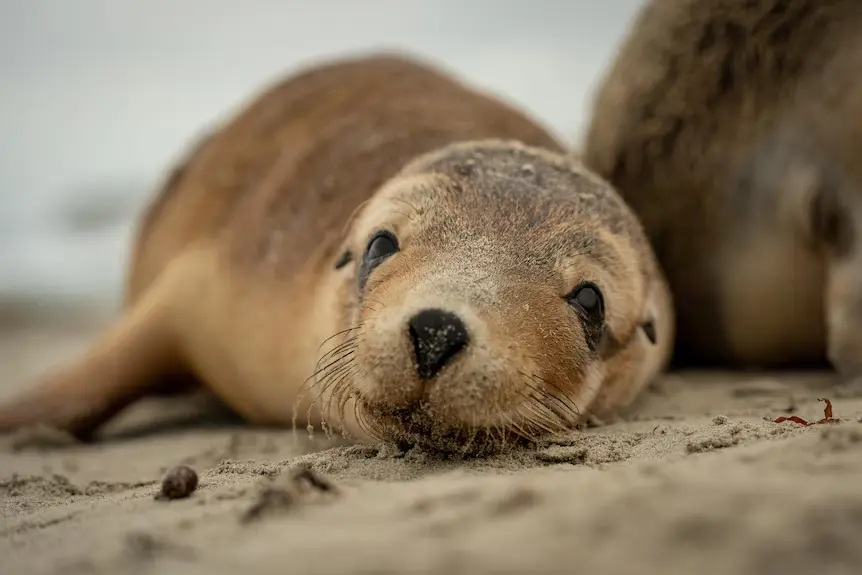
Sea lion pups contract hookworm through their mother’s milk, and there is only a short period when treatment is effective. Researchers regularly sweep the beach for pups left alone while their mothers forage at sea.
Once a pup is located — whether in a cave, under vegetation, or resting on the sand — the team has just 10 minutes under strict ethical guidelines to complete a health check. In that brief window, pups are weighed, measured, microchipped, and treated for parasites.
Samples of fur, blood, and feces are also collected to monitor exposure to pollutants and assess hookworm infection.
“Hookworm embeds itself in the intestinal wall, causing inflammation and bleeding,” Dr. Gray explained. Infected pups often suffer from diarrhea, weight loss, and lethargy, leaving them more vulnerable to injury or starvation.
Once treated early, however, pups are protected from hookworm for the rest of their pup stage.
Long-term hope amid growing threats
Many of the pups treated in the early years of the program have now returned to Seal Bay as adults and given birth themselves — a hopeful sign for the colony’s future.
Still, multiple threats loom. Climate change, extreme weather, and the potential arrival of avian influenza all pose serious risks to a population already under strain.
A recent report from the Department for Environment and Water noted that Seal Bay’s sea lion population — around 95% of which is microchipped — could prove crucial for future disease monitoring or vaccine trials, should they become available.
A challenging year on the coast
Melanie Stonnill, research and operations coordinator at Seal Bay, said this breeding season was especially difficult. Peak pupping coincided with powerful king tides and large winter swells that battered the coastline.
Under normal conditions, female sea lions return to the exact location where they were born to give birth. This year’s extreme conditions disrupted that pattern, increasing the separation between mothers and pups — often with fatal consequences.
“It definitely drove the mortality we saw this season,” Stonnill said.
Dr. Gray agreed, calling the changes “dramatic.”
“Some critical breeding habitats were lost incredibly quickly,” she said.
Shelters for a changing future
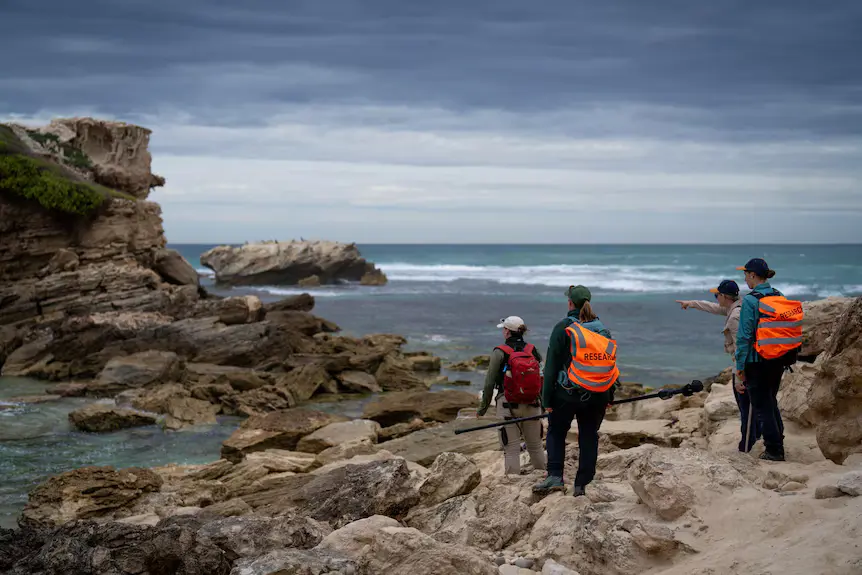
Stonnill is overseeing the installation of the first trial pup shelters funded by the new sea lion resilience program. Equipped with temperature sensors and cameras, the shelters are designed to protect pups from heat stress and aggressive encounters, improving their odds of survival in a changing environment.
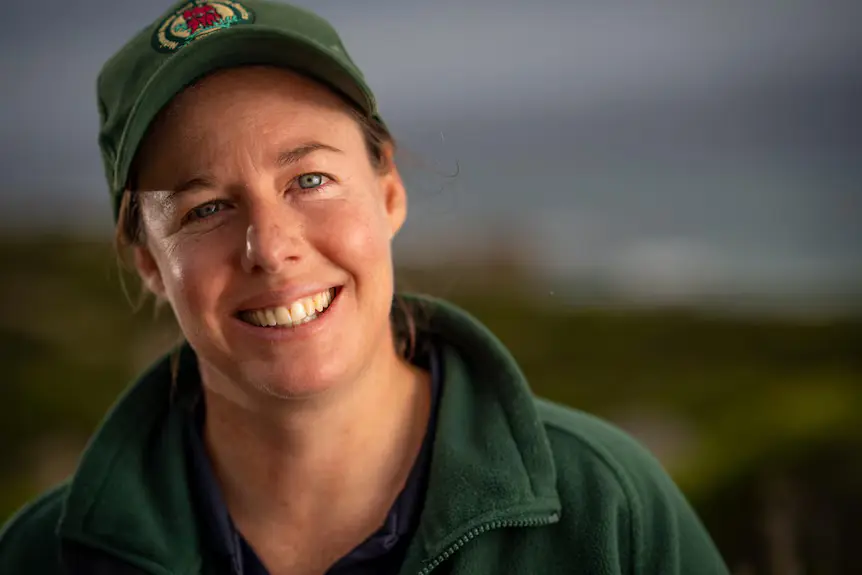
“These animals have lived along this coast for thousands of years,” Stonnill said. “Every pup born here is a reminder that there’s still wildness left — and that it’s worth protecting.”