

A major wildlife restoration project along the Mississippi River has been completed, improving hundreds of acres of natural habitat and creating better conditions for fish, birds and other wildlife.
The U.S. Army Corps of Engineers has completed a $25 million restoration project at McGregor Lake, near Prairie du Chien, Wisconsin.
The project includes seven new islands, improved fish habitats, restored forests and stronger shoreline protection.
The initiative is part of a long-term effort to protect wildlife and improve the health of the Upper Mississippi River ecosystem.
A Major Investment in Mississippi River Wildlife
The U.S. Army Corps of Engineers officially celebrated the completion of the McGregor Lake Habitat Rehabilitation and Enhancement Project with a ribbon-cutting ceremony on September 22, 2026.
Construction began in 2020, with the goal of restoring damaged habitats and improving environmental conditions around McGregor Lake.
The lake covers approximately 200 acres and forms part of the Upper Mississippi River National Wildlife and Fish Refuge.
Its surrounding wetlands, forests and waterways provide important habitats for fish, migratory birds and numerous other animal species.
The restoration project was designed to improve these natural environments while helping maintain the Mississippi River’s navigation channel.
Mississippi River Restoration: Key Facts
| Project detail | Information |
|---|---|
| Location | McGregor Lake, Wisconsin |
| Total investment | $25 million |
| Construction began | 2020 |
| Completion celebrated | September 22, 2026 |
| New islands | 7 |
| Aquatic habitat improved | Over 270 acres |
| Floodplain forest enhanced | Over 45 acres |
| Wetlands protected | 22 acres |
| Shoreline stabilized | More than 1 mile |
The improvements aim to provide lasting environmental benefits for the region’s wildlife and aquatic ecosystems.
Seven New Islands Built to Restore Natural Habitats
One of the project’s most important achievements was the construction of seven new islands within McGregor Lake.
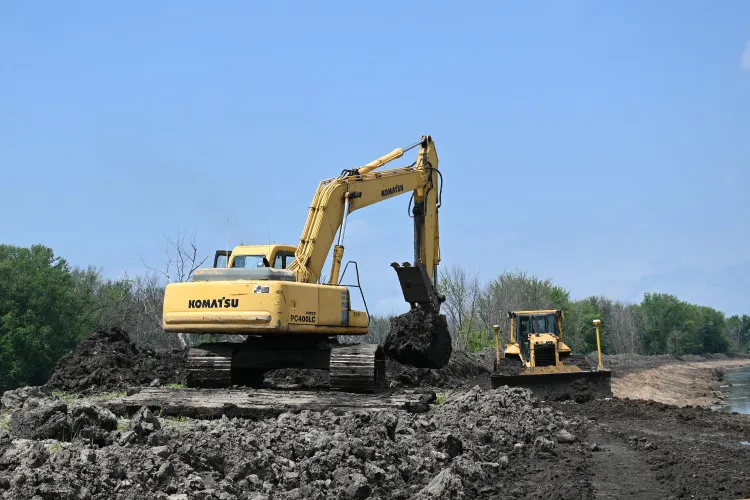
Engineers used approximately 500,000 cubic yards of clean sand dredged from the Mississippi River to create the islands.
Using this material provided two important benefits.
First, removing sand helped maintain the river’s main navigation channel, allowing boats and commercial vessels to travel more efficiently.
Second, the dredged material was used to create new land and improve natural habitats.
The islands are designed to support vegetation growth, reduce erosion and improve environmental conditions in the surrounding lake.
Improving Fish Habitats and Aquatic Ecosystems
Fish habitat restoration was another major part of the project.
Engineers dredged approximately 35 acres of backwater habitat to create deeper areas where fish can survive during winter.
These overwintering areas are particularly important because fish need suitable water depths and conditions during colder months.
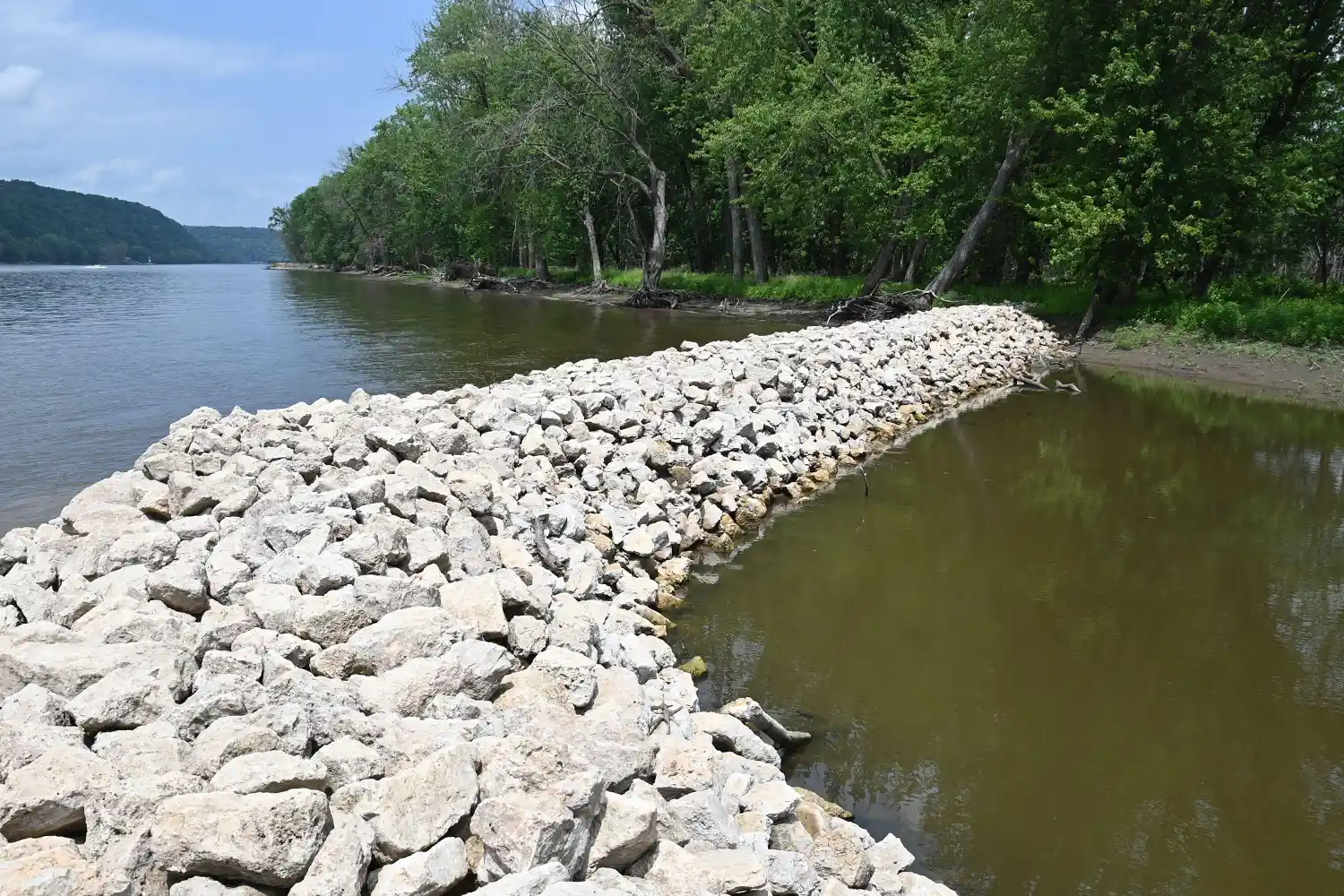
The project also included the construction of five rock features and the stabilization of more than one mile of shoreline.
Together, these improvements are intended to reduce erosion, support aquatic vegetation and create healthier environments for fish and other aquatic animals.
Major Environmental Improvements
| Restoration activity | Expected benefit |
|---|---|
| Seven new islands | Create habitat and support vegetation |
| Backwater dredging | Improve winter survival conditions for fish |
| Rock structures | Reduce erosion and protect aquatic environments |
| Shoreline stabilization | Prevent habitat damage |
| Forest restoration | Improve habitat for birds and other wildlife |
| Wetland protection | Preserve important natural ecosystems |
Overall, the project improved more than 270 acres of aquatic habitat and strengthened the surrounding ecosystem.
Restoring Forests and Protecting Wetlands
The restoration work extended beyond the lake itself.
Engineers also enhanced more than 45 acres of floodplain forest and protected approximately 22 acres of wetlands.
Floodplain forests are important ecosystems that develop along rivers and in areas that experience periodic flooding.
They provide shelter, food and breeding habitats for numerous wildlife species.
Restoration efforts aim to encourage the growth of a greater variety of trees and support forests with a healthier mix of younger and older vegetation.
Wetland protection is equally important because wetlands provide feeding and breeding areas for aquatic animals and birds.
Together, these improvements can strengthen the long-term health of the Mississippi River ecosystem.
How the Project Benefits Birds and Other Wildlife
The Mississippi River is an important habitat and migration corridor for numerous bird species.
Its forests, wetlands and waterways provide food, shelter and nesting areas for both resident and migratory wildlife.
Birds expected to benefit from healthier habitats include:
- Bald eagles: Depend on riverside forests for nesting and access to fish.
- Herons: Use wetlands and shallow waters for feeding.
- Kingfishers: Hunt for fish in rivers and lakes.
- Migratory songbirds: Rely on forest habitats for shelter and food during migration.
The project also supports aquatic animals by improving underwater vegetation and creating suitable conditions for fish populations.
Reducing shoreline erosion helps protect both aquatic and land-based habitats.
Part of a Long-Term Mississippi River Conservation Program
The McGregor Lake restoration project is part of a wider conservation initiative focused on improving the Upper Mississippi River system.
The long-running program has supported habitat restoration across approximately 120,000 acres over four decades.
Its projects aim to improve aquatic environments, protect forests and restore natural habitats affected by environmental changes.
By combining habitat restoration with river management, the program helps maintain the Mississippi River as both an important transportation route and a valuable wildlife ecosystem.
The McGregor Lake project demonstrates how engineering and conservation can work together to improve natural environments.
Why Mississippi River Restoration Matters
The Mississippi River supports an extensive network of wetlands, forests, lakes and waterways.
These habitats are essential for biodiversity and provide important environmental benefits.
However, natural processes and human activities can change river conditions, increasing erosion and affecting wildlife habitats.
Restoration projects help address these challenges by rebuilding damaged environments and improving ecological conditions.
At McGregor Lake, the construction of new islands, restoration of aquatic habitats and protection of surrounding forests represent significant steps toward maintaining a healthier river ecosystem.
The improvements are intended to benefit wildlife while supporting the long-term sustainability of the region’s natural resources.
Conclusion
The completion of the $25 million McGregor Lake restoration project marks an important achievement for wildlife conservation along the Mississippi River.
With seven new islands, more than 270 acres of improved aquatic habitat, enhanced forests and protected wetlands, the project provides substantial environmental benefits.
The improvements are expected to support fish populations, protect migratory birds and create healthier habitats for numerous wildlife species.
As part of a broader conservation program, the project highlights the importance of protecting and restoring the natural ecosystems of the Upper Mississippi River.