

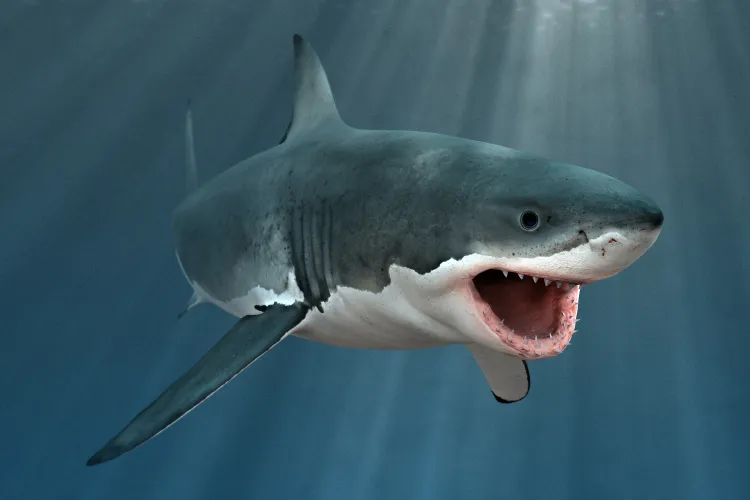
Scientists have documented the first recorded great white shark attack on an endangered Franciscana dolphin off the coast of Brazil. The discovery provides new information about shark hunting behavior and the threats facing one of South America’s rarest dolphin species.
The findings, published in the scientific journal Wildlife Research in August 2026, followed the discovery of a dead Franciscana dolphin on a beach in Rio Grande do Sul, southern Brazil.
Researchers examined the animal and identified bite marks consistent with an attack by a great white shark, a species rarely recorded in the region.
Rare Ghost Dolphin Found on Brazilian Beach
The Franciscana dolphin, commonly known as the ghost dolphin, is an endangered marine mammal found only in the coastal waters of Brazil, Uruguay and Argentina.
Researchers discovered the dolphin’s body washed ashore in southern Brazil. Its condition suggested that it had died approximately three to five days before being found.
During their examination, scientists noticed several unusual bite marks.
A detailed analysis of the wounds revealed evidence of an encounter with a great white shark.
The discovery is particularly significant because scientists had never previously documented this type of predation involving a Franciscana dolphin and a great white shark.
How Scientists Identified the Great White Shark
Researchers analysed the dolphin’s injuries, paying particular attention to the shape, size and arrangement of the bite marks.
Their findings indicated that the wounds had been caused by a great white shark measuring approximately 11.8 to 12.5 feet (3.6 to 3.8 metres) in length.
The shark’s estimated weight ranged from 881 to 1,080 pounds (400 to 490 kilograms).
One of the most important findings was evidence of bleeding around a wound on the dolphin’s dorsal fin.
This indicated that the dolphin was still alive when the shark bit it, providing evidence of a predatory attack rather than scavenging alone.
The bite patterns also suggested that the shark attacked from beneath the water’s surface, consistent with previously documented great white shark hunting behavior.
Key Facts About the Discovery
| Category | Details |
|---|---|
| Location | Rio Grande do Sul, Brazil |
| Dolphin species | Franciscana dolphin |
| Common nickname | Ghost dolphin |
| Shark species | Great white shark |
| Estimated shark length | 3.6–3.8 metres |
| Estimated shark weight | 400–490 kg |
| Dolphin length | Approximately 1.7 metres |
| Dolphin age | Under 4 years |
| Research publication | August 2026 |
The findings provide new evidence of interactions between two marine species that scientists rarely observe together.
Why Is This Shark Attack So Unusual?
Great white sharks are powerful ocean predators known to hunt a variety of marine animals, including seals, sea lions and smaller cetaceans.
However, encounters involving great white sharks and Franciscana dolphins are extremely uncommon.
The presence of a great white shark along this part of Brazil’s coastline is itself considered unusual.
Franciscana dolphins are also difficult to observe because of their elusive behavior and limited geographic distribution.
These factors make the documented attack an important discovery for researchers studying marine predators and their feeding habits.
Although great white sharks are known to hunt other dolphin species, this case provides the first documented evidence of this particular predator-prey interaction.
What Are Franciscana Dolphins?
Franciscana dolphins are small marine mammals native to the southwestern Atlantic Ocean.
They are commonly called ghost dolphins because they are rarely encountered and remain relatively poorly understood.
One of their most distinctive characteristics is their exceptionally long, narrow beak.
In fact, Franciscana dolphins have the longest beak in proportion to their body size of any dolphin species.
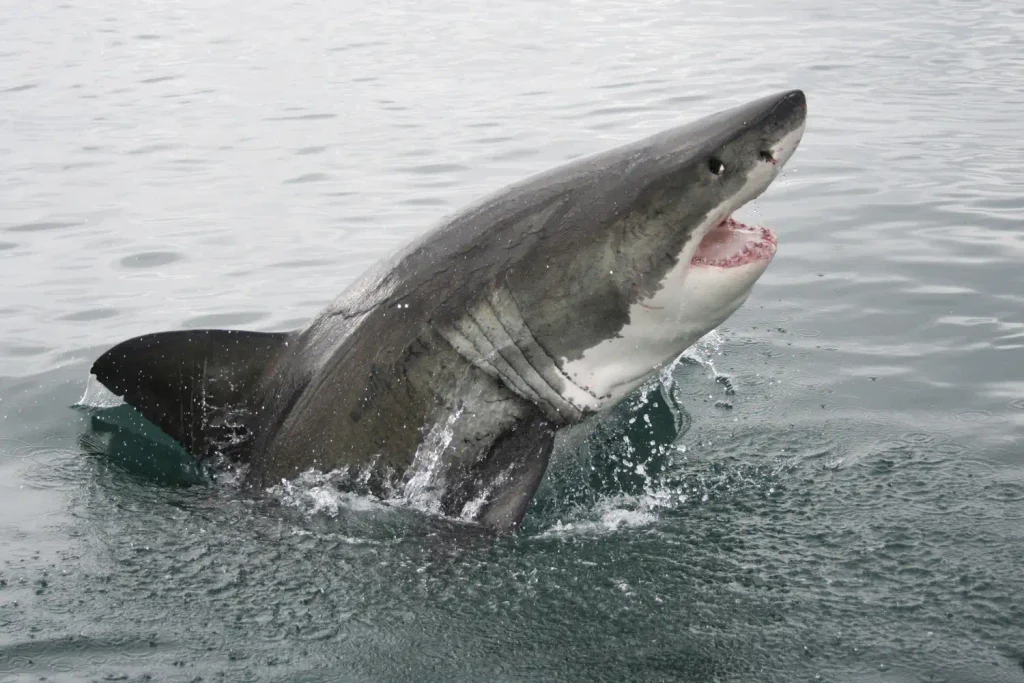
Unlike many other dolphins, they generally inhabit shallow coastal waters, where they face increasing pressure from human activities.
Their limited distribution makes them particularly vulnerable to environmental changes and threats affecting their coastal habitats.
Why Are Ghost Dolphins Endangered?
Franciscana dolphins are considered among the most endangered dolphins in the southwestern Atlantic Ocean.
Although natural predators such as sharks pose a threat, human activities represent a major challenge to their long-term survival.
One of the greatest dangers comes from commercial fishing.
Franciscana dolphins can become accidentally entangled in fishing nets, which may prevent them from reaching the surface to breathe.
Other environmental pressures include coastal development, pollution and declining fish populations.
Major Threats to Franciscana Dolphins
| Threat | Potential impact |
|---|---|
| Fishing nets | Accidental entanglement and drowning |
| Declining fish populations | Reduced food availability |
| Coastal development | Disturbance and degradation of natural habitats |
| Marine pollution | Deterioration of coastal ecosystems |
| Natural predators | Predation by large marine animals, including sharks |
Conservation organisations have warned that continued fishing pressure and environmental degradation could threaten the species’ survival.
Protecting coastal habitats and reducing accidental dolphin deaths are essential conservation priorities.
What Does This Discovery Mean for Marine Research?
The documented shark attack provides scientists with new information about predator-prey relationships in the southwestern Atlantic Ocean.
It also demonstrates how examining stranded marine animals can reveal important details about ocean ecosystems.
By analysing wounds and other physical evidence, researchers can identify previously undocumented interactions between marine species.
However, one recorded incident does not establish how frequently great white sharks hunt Franciscana dolphins.
Additional research would be necessary to understand whether these encounters occur regularly or represent extremely rare events.
The discovery also highlights the importance of continued monitoring of endangered marine mammals.
Conclusion
The first documented great white shark attack on a Franciscana dolphin represents an important scientific discovery in southern Brazil.
Detailed examination of the stranded dolphin provided evidence of a predatory attack involving a great white shark, an animal rarely recorded in the area.
While the findings offer new insights into shark hunting behavior, they also draw attention to the conservation challenges facing endangered ghost dolphins.
Protecting their coastal habitats, reducing accidental fishing-related deaths and continuing marine research remain essential to ensuring the species’ long-term survival.