

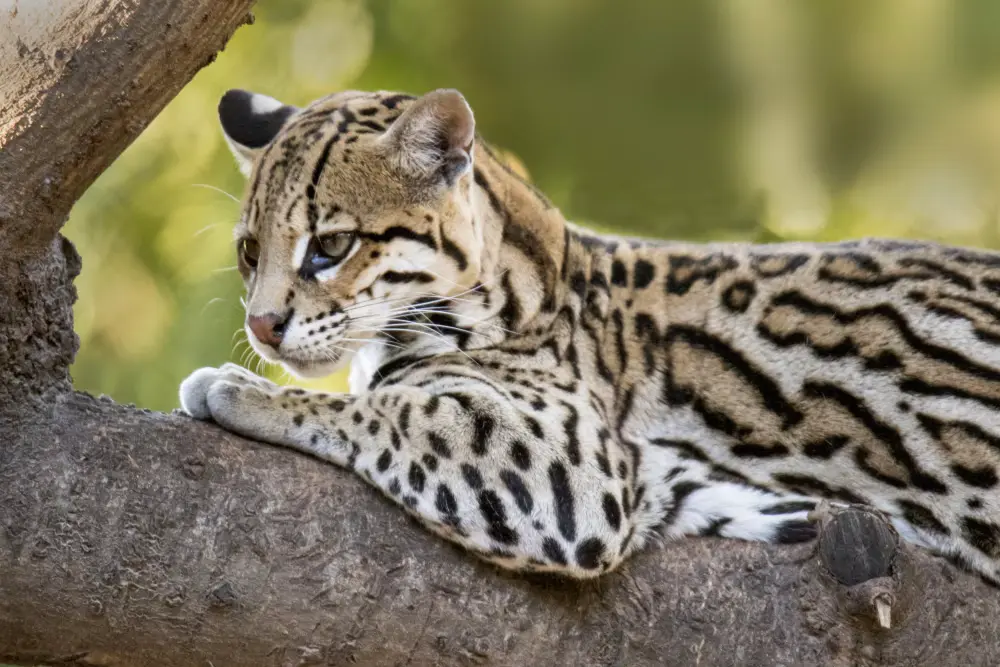
A federal judge has cleared the way for SpaceX to expand its Texas Starbase into the habitat of the last wild ocelots remaining in the U.S.
SpaceX’s expansion at Boca Chica, Texas, has raised important environmental concerns. While the company’s Starship program represents a major development in space exploration, increased rocket activity could affect endangered wildlife and sensitive coastal habitats.
The environmental debate surrounding the SpaceX Boca Chica facility highlights the challenge of balancing technological innovation with nature conservation.
1. What Is SpaceX Planning at Boca Chica?
SpaceX developed its Starbase facility at Boca Chica Beach in South Texas to support the development, testing and launch of its Starship rocket system.
Starship is designed to carry astronauts, satellites and cargo into space. The company also intends to use the spacecraft for future missions to the Moon and Mars.
However, the facility is located near protected coastal habitats that support several threatened and endangered species.
SpaceX’s plans to increase rocket operations raised questions about potential environmental damage. As a result, federal agencies examined how the proposed activities could affect surrounding wildlife.
2. SpaceX Boca Chica Environmental Impact
One of the biggest concerns surrounding the SpaceX expansion was its potential impact on the local environment.
The Boca Chica coastline provides important feeding, nesting and migration habitats for numerous animals.
In its 2022 environmental review, the U.S. Fish and Wildlife Service identified several potential risks associated with increased rocket operations.
The main environmental concerns included:
- Rocket noise: Powerful engines generate noise and vibrations that may disturb nearby wildlife.
- Habitat destruction: Construction and industrial activities can damage sensitive coastal ecosystems.
- Increased traffic: Additional vehicles may disturb wildlife and affect their natural movements.
- Artificial lighting: Bright lights can interfere with animal behavior, particularly sea turtle nesting.
- Rocket debris: Accidents and explosions may cause damage to nearby habitats.
These environmental risks made wildlife protection an important part of the regulatory review.
3. Which Endangered Animals Could Be Affected?
Several protected animal species inhabit the coastal environments surrounding SpaceX’s Texas facility.
Wildlife experts identified potential impacts on shorebirds, wild cats and sea turtles.
Table 1: Wildlife Potentially Affected by SpaceX Activities
| Animal species | Potential environmental impact |
|---|---|
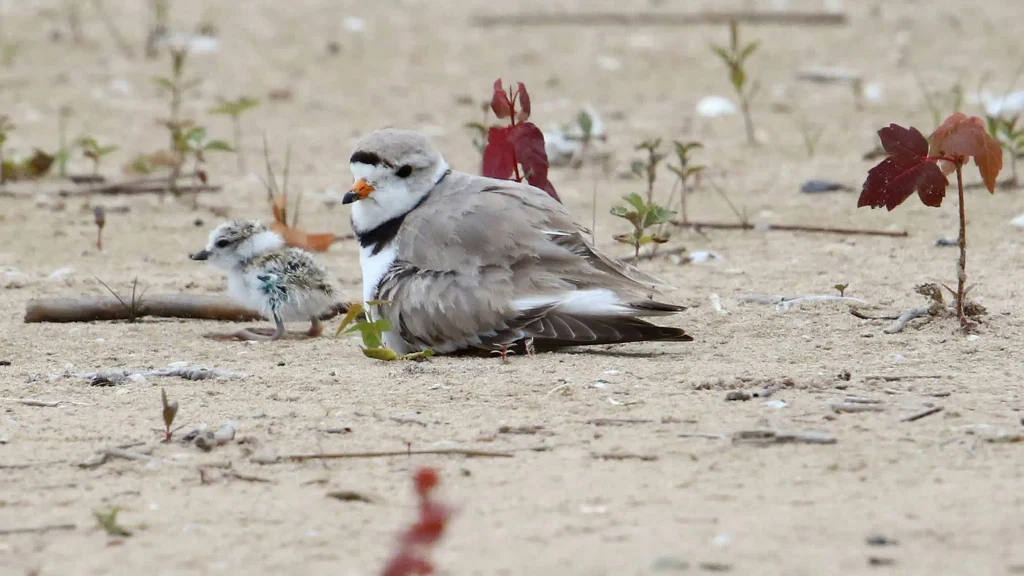
| Piping plover | Disturbance and loss of coastal feeding habitat |
| Red knot | Disruption of feeding and migration |
| Ocelot | Habitat fragmentation and increased disturbance |
| Jaguarundi | Changes to potential habitat and wildlife movement |
| Kemp’s ridley sea turtle | Disturbance of nesting beaches and hatchlings |
Piping Plovers and Red Knots
Piping plovers and red knots rely on coastal environments for feeding, migration and survival.
Increased rocket launches and construction activities could disturb these birds and affect their access to important coastal habitats.
The piping plover was a particular concern during the environmental review because designated critical habitat is located near the SpaceX facility.
Ocelots and Jaguarundis
Ocelots and jaguarundis were also considered in the environmental assessment.
Construction activities, vehicle traffic and changes to vegetation could affect suitable habitats and the movement of these animals.
Protecting natural vegetation and minimizing unnecessary disturbances are important conservation measures.
Kemp’s Ridley Sea Turtles
Kemp’s ridley sea turtles are critically endangered and use beaches along the Gulf of Mexico for nesting.
Artificial lighting and increased human activity can disturb nesting females and newly hatched turtles.
Because hatchlings must travel from their nests to the ocean, maintaining suitable beach conditions is essential for their survival.
4. How Could Starship Launches Affect Wildlife Habitats?
Rocket launches produce intense heat, powerful vibrations and significant noise.
Although these activities are essential to the Starship program, they may create environmental challenges when conducted near protected habitats.
Table 2: Environmental Risks Associated With Rocket Operations
| Activity | Possible environmental consequence |
|---|---|
| Rocket launches | Noise, vibrations and intense heat |
| Construction | Habitat loss and fragmentation |
| Vehicle traffic | Increased disturbance to wildlife |
| Artificial lighting | Disruption of nesting and animal behavior |
| Rocket accidents | Fires, debris and habitat damage |
The environmental impact of these activities depends on their frequency, location and the effectiveness of protective measures.
Regular wildlife monitoring can help identify environmental changes and support conservation efforts.
5. What Did the FAA Decide About SpaceX?
Before SpaceX could conduct its proposed Starship and Super Heavy operations, the company needed approval from the Federal Aviation Administration (FAA).
The FAA examined the project’s potential environmental effects and consulted other federal agencies, including the U.S. Fish and Wildlife Service.
On June 13, 2022, the FAA completed its environmental review and required SpaceX to implement more than 75 measures designed to reduce environmental impacts.
These measures addressed several important concerns, including wildlife monitoring, lighting, launch debris and public access to nearby protected areas.
However, completing the environmental review did not automatically authorize rocket launches.
SpaceX still had to meet additional licensing and safety requirements.
6. How Can SpaceX Reduce Its Environmental Impact?
Environmental protection measures are essential when rocket facilities operate near sensitive ecosystems.
The 2022 review established requirements intended to reduce the environmental effects of SpaceX’s proposed operations.
Five Important Environmental Protection Measures
1. Wildlife Monitoring
Regularly monitor protected species and identify changes in their populations, behavior and habitats.
2. Habitat Protection
Reduce unnecessary construction-related disturbances and protect sensitive coastal environments.
3. Responsible Launch Operations
Plan and manage rocket operations to reduce their environmental impact.
4. Traffic Management
Limit unnecessary vehicle traffic and minimize disturbances in protected wildlife areas.
5. Environmental Monitoring
Track environmental conditions and use the findings to support conservation efforts.
These measures can help reduce the potential impact of aerospace activities on surrounding wildlife.
7. Why Did Environmental Groups Oppose the Expansion?
The proposed SpaceX expansion generated debate among environmental organizations, regulatory agencies and supporters of space exploration.
Environmental groups expressed concerns that increased rocket operations could damage protected habitats and threaten vulnerable species.
Some conservation advocates questioned whether the proposed environmental measures would provide sufficient long-term protection.
SpaceX, meanwhile, continued developing Starship as part of its plans to expand access to space.
The debate demonstrated the difficulty of balancing industrial development with the protection of natural ecosystems.
8. SpaceX Expansion and the Future of Wildlife Conservation
The environmental review of SpaceX’s Boca Chica facility provides an important example of the challenges associated with developing large aerospace projects near protected natural areas.
As rocket technology advances, environmental monitoring and conservation planning remain important considerations.
Reducing unnecessary habitat damage, protecting endangered species and maintaining cooperation between companies and environmental authorities can help address these challenges.
The Boca Chica project also demonstrates why environmental assessments play an important role in major industrial developments.
9. Frequently Asked Questions
Where is the SpaceX Boca Chica facility located?
The SpaceX facility is located at Boca Chica Beach in South Texas, near the Gulf of Mexico and the Mexican border.
Does SpaceX affect endangered wildlife?
Rocket launches, construction and increased vehicle traffic can potentially disturb protected wildlife and damage sensitive habitats. The level of environmental impact depends on the activities involved and the effectiveness of conservation measures.
Which endangered animals live near SpaceX?
Protected species associated with the surrounding region include piping plovers, red knots, ocelots and Kemp’s ridley sea turtles. The environmental assessment also considered potential impacts on jaguarundis.
What environmental protection measures were required?
The FAA’s 2022 environmental review required more than 75 mitigation measures. These included wildlife monitoring, lighting adjustments, debris management and restrictions intended to reduce environmental disturbances.
Did the FAA approve SpaceX’s expansion?
In June 2022, the FAA completed its environmental review and issued a mitigated finding of no significant impact. This allowed the licensing process to proceed but did not itself authorize launches.
Conclusion
SpaceX’s Boca Chica expansion raised important concerns about endangered wildlife and the environmental effects of rocket launches.
Protected birds, wild cats and sea turtles could experience disturbances associated with construction, noise, lighting and increased industrial activity.
The 2022 environmental review established measures intended to reduce these risks while allowing SpaceX to continue pursuing its Starship program through the regulatory process.
The project demonstrates the importance of combining technological development with responsible environmental management and wildlife conservation.