

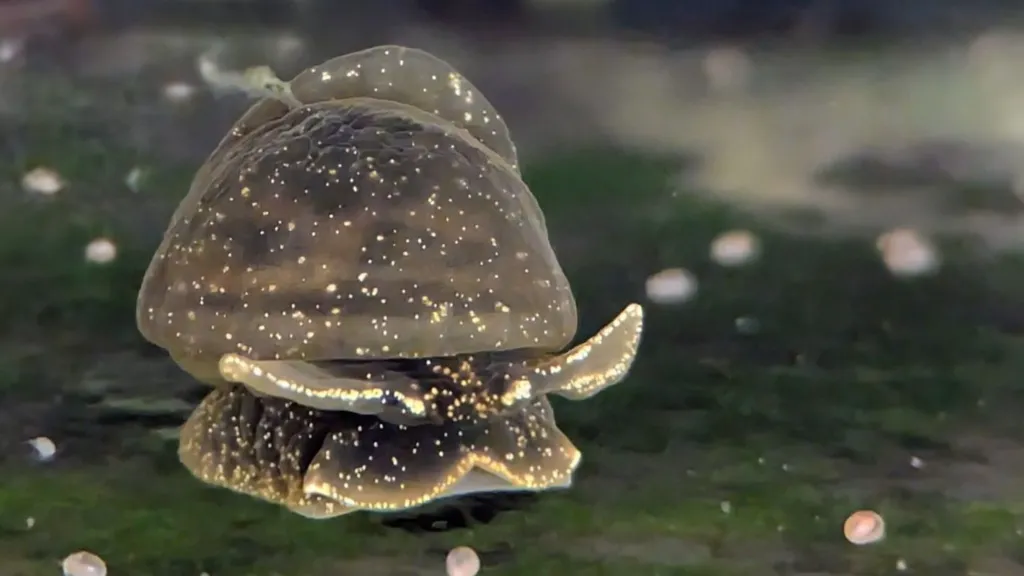
A tiny freshwater snail found in only one lake in the UK is getting help from conservationists who are trying to save it from extinction.
The glutinous snail is one of Europe’s rarest species. It was once found in many parts of Britain, but pollution and habitat loss caused its numbers to fall sharply.
Today, its last known home in the UK is Llyn Tegid, a large lake in Wales.
Conservationist Ian Hughes has spent years trying to protect the species.
He began collecting and studying the snails under licence and even created small concrete shelters for them in the lake.
He also started breeding them in tanks inside a greenhouse at his home.
At first, Hughes was not sure whether the snails would survive in captivity.
Then, after several months, he discovered eggs in one of the tanks.
It was an important breakthrough because their eggs had rarely, if ever, been observed before.
Since then, the number of snails in his care has grown to around 2,000.
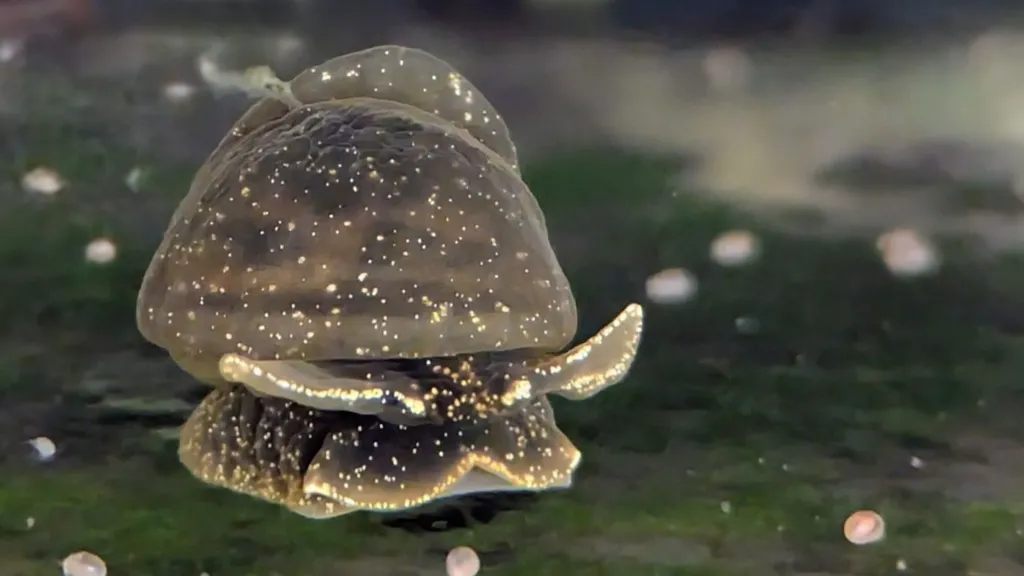
The tiny creatures are no bigger than a fingertip. They have delicate brown shells with golden markings and unusually large antennae.
Hughes says the snails are extremely valuable and deserve to be protected like precious historical treasures.
His family has also become involved in the conservation work, helping care for the snails and other rare species.
Now, several zoos and wildlife parks across England are creating special backup populations.
The idea is to keep groups of the snails in different places so the entire species is not dependent on a single lake.
Zoos will breed the snails, study their needs and learn more about how to care for them.
Conservationists hope that, in the future, some of the snails could be released into suitable lakes and ponds around the country.
Experts believe this could happen within the next few years if the breeding programme continues to succeed.
Climate change and habitat damage remain serious threats, but having several protected populations gives the species a better chance of survival.
For Hughes, protecting the snails is about more than saving one small animal.
He believes every species plays a role in nature and that preserving them is something future generations will benefit from.