
A great horned owl who was once found covered in concrete has finally returned to the wild after spending six months recovering at a Utah sanctuary.
The young owl was discovered in October inside a concrete mixer by a good Samaritan, who quickly called Best Friends Animal Society for help. The organization’s headquarters, located about 80 miles away in Kanab, took him into the care of its wildlife refuge, Wild Friends.
The first challenge was removing the concrete from the owl’s body. Once the team cleaned him up, they realized another serious problem remained: his feathers were badly damaged.
For a great horned owl, healthy feathers are essential. Owls rely on silent flight to hunt and survive in the wild. Without proper feathers, the young bird would not be able to fly quietly enough to catch prey.
At first, the Wild Friends team hoped the owl would naturally replace the damaged feathers during his spring molt. But when the molt did not happen as expected, they decided to try a specialized procedure they had never performed before.
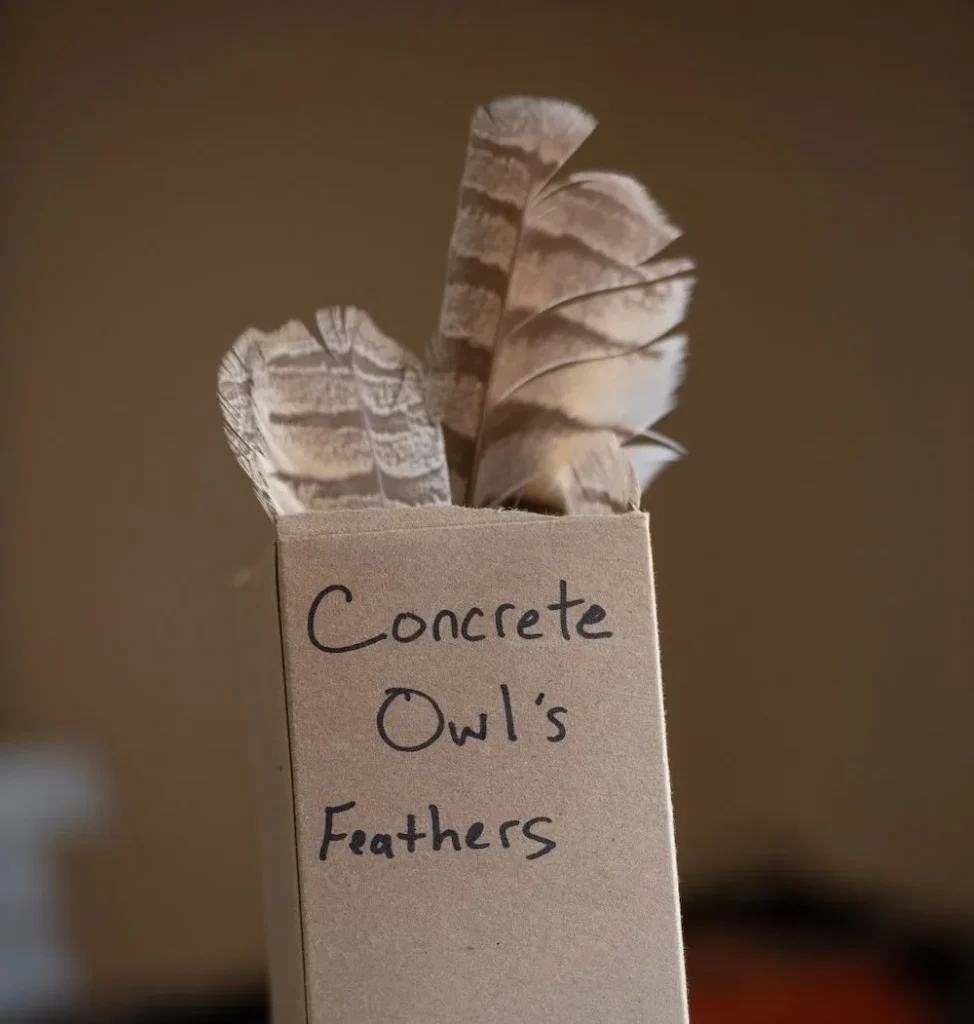
The technique is called imping. It involves replacing broken or damaged raptor feathers with donor feathers, which are attached using adhesive.
Luckily, a wildlife rescue group in northern Utah donated feathers from a similarly sized great horned owl who had passed away. Before the procedure, Wild Friends supervisor Bart Richwalski carefully tracked the owl’s feather patterns, checking every few weeks to identify which feathers would need replacement.
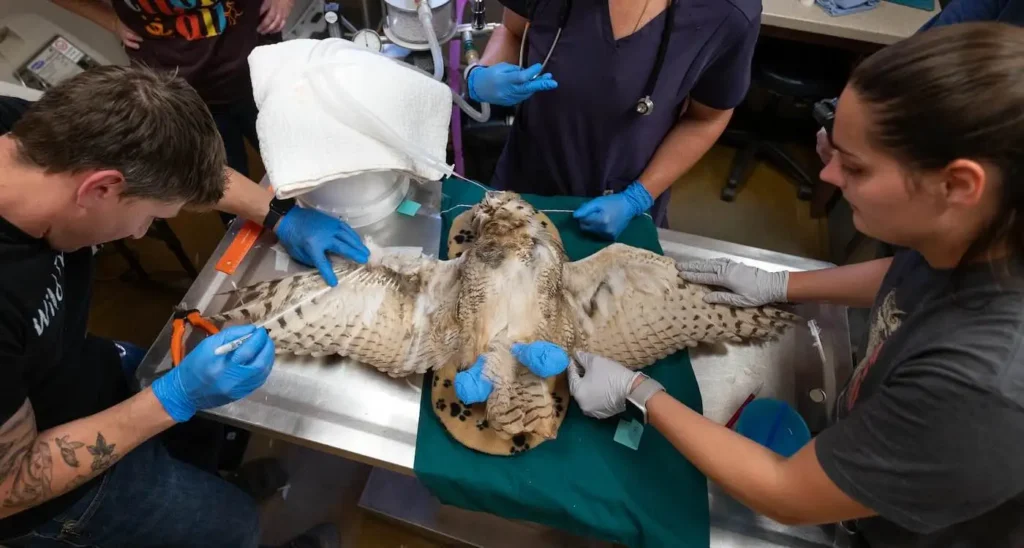
On May 1, the team performed the 90-minute procedure while the owl was under anesthesia. Best Friends staff veterinarian Kelsey Paras joined three members of the Wild Friends team for the delicate work.
The donor feathers were laid out to match the owl’s wings. The team carefully lined up each replacement feather, cut it to the correct length and attached it to the remaining shaft of the damaged feather.
In total, they replaced 10 primary feathers and one secondary feather on the owl’s right wing. His left wing did not need any replacements.
The first few feathers were stressful for the team, but as they gained confidence, the procedure went smoothly. The replacement feathers will eventually fall out naturally during future molts as the owl grows new ones of his own.
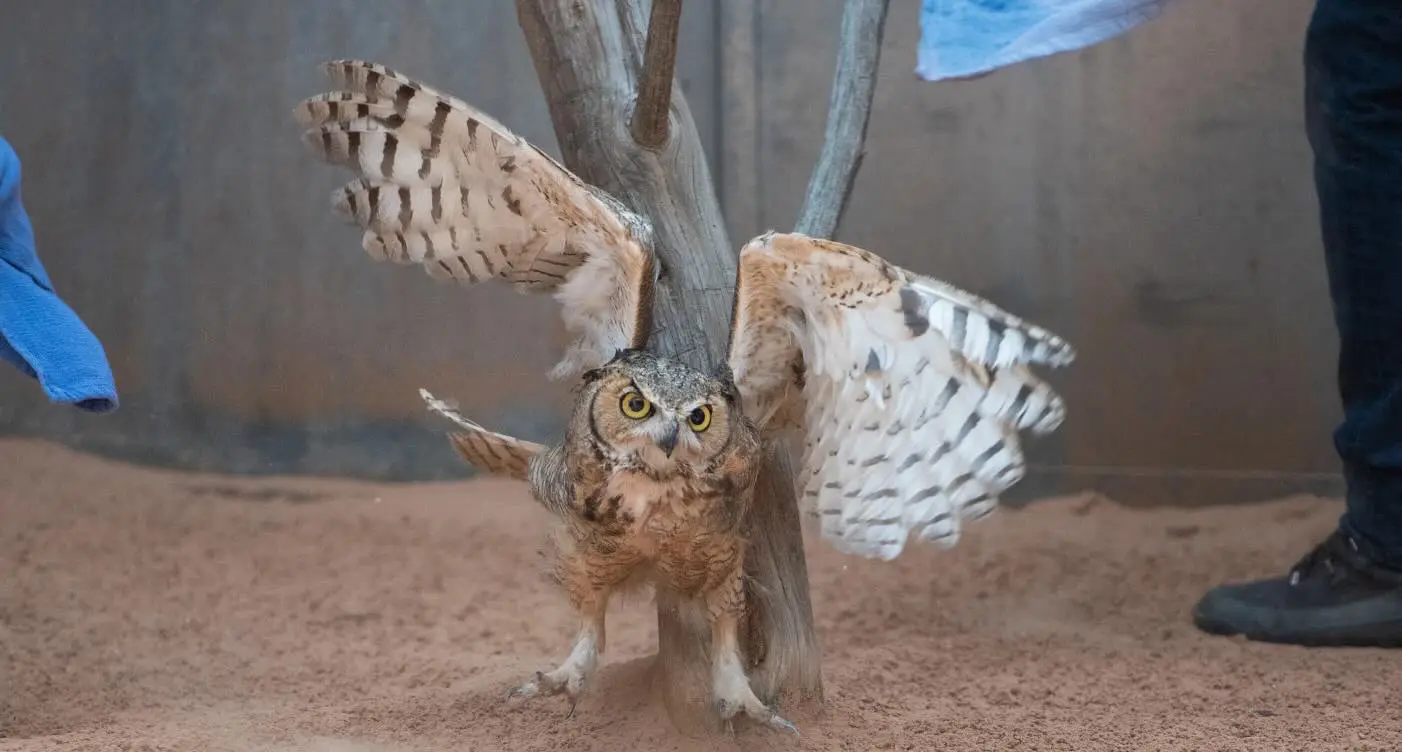
After the imping, the team tested the owl’s flight in a large aviary. They watched to see whether he could fly strongly and quietly enough to survive outside. Once he began reaching the highest perch, Richwalski used a decibel reader to measure the sound of his wingbeats.
When the owl’s flight was quiet enough, the team knew he was ready.
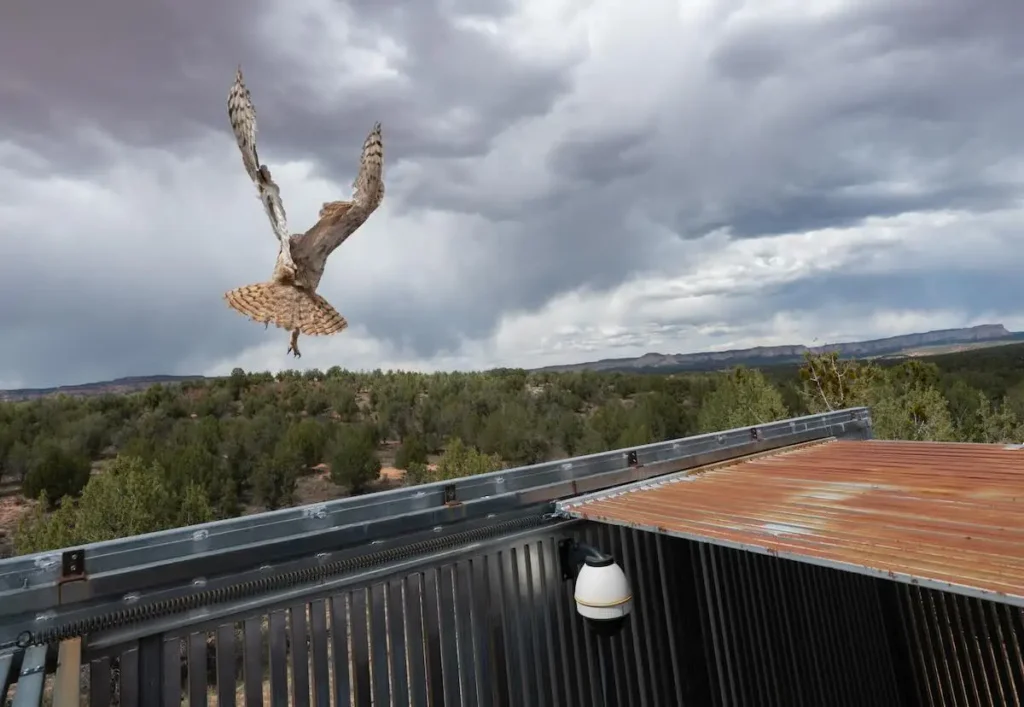
During his release, the aviary roof slowly opened. The owl hovered briefly, then gained speed and flew straight up into freedom.
For Richwalski, who had cared for the owl since the beginning, it was an emotional moment. After months of treatment, patience and specialized care, the bird was finally healthy enough to return to the wild.
The owl’s recovery showed just how much effort can go into saving one animal. Thanks to the people who found him, treated him and learned a new procedure to help him fly again, the great horned owl now has a second chance in the wild.