

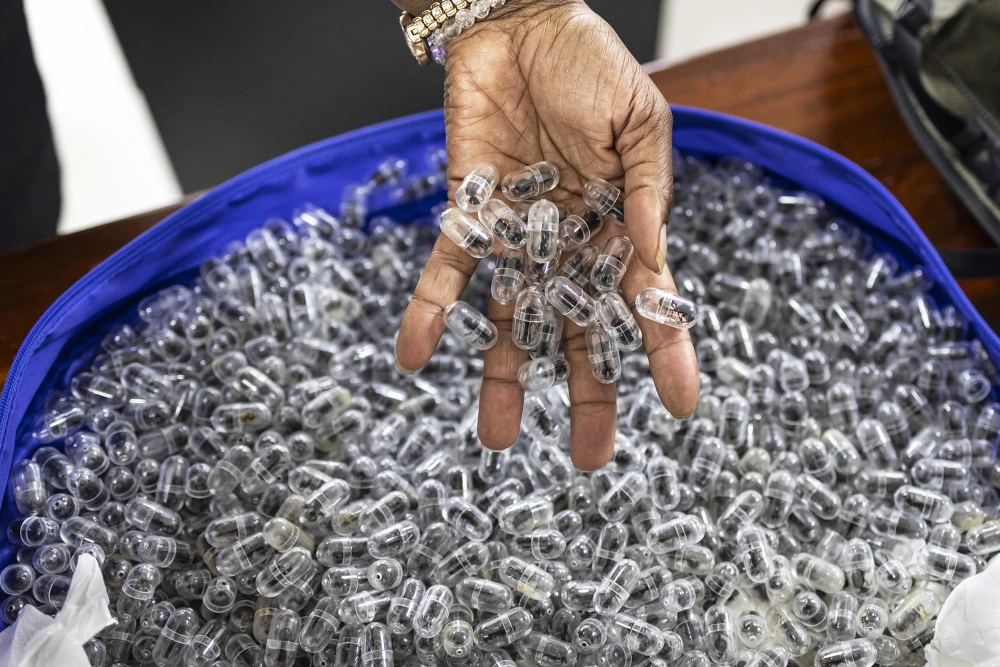
The magistrate in the case said a stiff sentence was needed as a deterrent given a spate of cases in Kenya of ant trafficking.
It wasn’t ivory. It wasn’t endangered big cats. It was ants. In a case that has drawn international attention and raised fresh alarms about a growing black market, a Kenyan court on Wednesday handed down a fine and jail sentence to a Chinese national caught attempting to smuggle more than 2,200 live garden ants out of the country.
The Arrest
Zhang Kequn was stopped last month at Nairobi’s Jomo Kenyatta International Airport with the live ants concealed in his luggage. Authorities discovered the insects packed into modified syringe cartridges — a calculated method designed to keep the creatures alive during transit.
Zhang initially pleaded not guilty to charges including dealing in live wildlife species, but later reversed course and changed his plea to guilty.
The Sentence
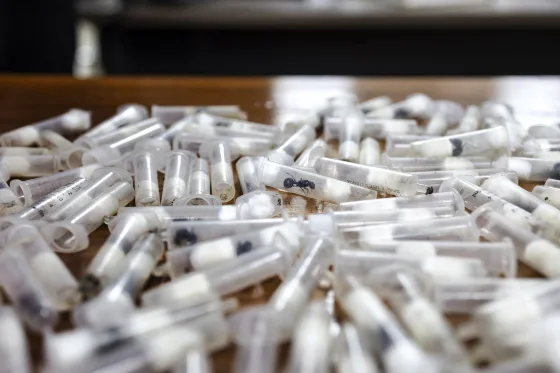
Magistrate Irene Gichobi ordered Zhang to pay a fine of 1 million Kenyan shillings — roughly $7,746 — and sentenced him to 12 months in jail. The magistrate made clear that leniency was not an option, citing a disturbing rise in ant trafficking cases across the country.
“Noting the increasing and rising cases of dealing in large quantities of garden ants and the negative ecological side effects of massive harvesting, there is a need for a stiff deterrent,” Gichobi stated in court.
Zhang’s lawyer has since announced plans to appeal the sentence.
Why Are Ants Being Trafficked?
It may seem unusual, but there is a lucrative market quietly driving this trend. In countries like China, ant-keeping has grown into a popular and sometimes expensive hobby. Enthusiasts maintain live colonies in large transparent enclosures known as formicariums, which allow them to observe the insects’ intricate social structures and behaviors up close. Rare or exotic species can command significant sums, making them an increasingly attractive target for traffickers.
A Second Suspect
Zhang was not acting alone. A Kenyan man named Charles Mwangi was also charged in connection with the case, accused of supplying the ants to Zhang. Mwangi has pleaded not guilty and is currently out on bail. His case was not addressed in Wednesday’s proceedings.
A Shifting Tide in Biopiracy
This case is far from isolated. Last year, four men were each fined 1 million shillings for attempting to traffic thousands of ants out of Kenya. At the time, wildlife experts warned that the incident pointed to a troubling evolution in wildlife crime — a shift away from high-profile trophies like elephant ivory toward lesser-known, harder-to-detect species.
The ants may be small, but the threat they represent to Kenya’s ecosystems — and the legal consequences for those who exploit them — is anything but.