

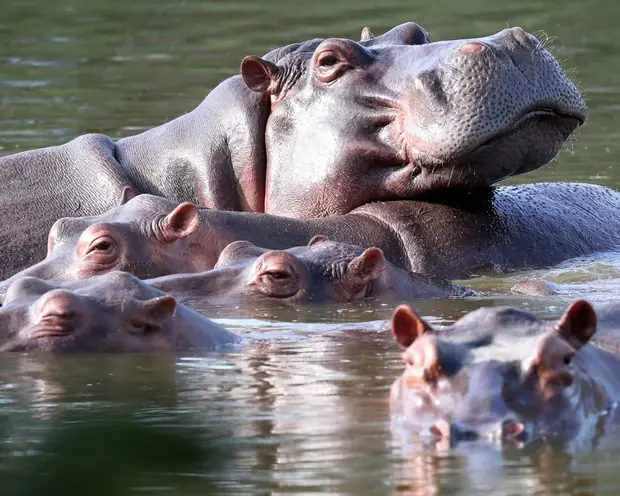
Colombian authorities have approved a plan to reduce the number of hippos descended from the animals Pablo Escobar brought into the country in the 1980s, saying the growing population is harming ecosystems and creating risks for nearby communities.
Environment Minister Irene Vélez said officials chose this course after finding that other control efforts, such as sterilization and relocation to zoos, had been too costly and had not worked well enough. She said as many as 80 hippos could be included in the operation, though no start date was announced.
According to Vélez, the government believes this step is necessary if it wants to keep the population from expanding further and to protect native habitats.
Colombia is the only place outside Africa with a wild hippo population. All of the animals are believed to descend from four hippos imported by Escobar for his private zoo at Hacienda Nápoles, his massive estate in the Magdalena River valley.
Research from Colombia’s National University estimated that roughly 170 hippos were living freely in the country in 2022.
In recent years, the animals have spread far beyond the original estate and have been seen more than 100 kilometers north of where they were first introduced.
Environmental officials say the hippos are dangerous for local residents who encounter them near farms and waterways. They also compete with native wildlife, including river manatees, for food and habitat.
At the same time, the animals have become part of the local economy. Communities near Hacienda Nápoles now offer hippo-watching tours and sell themed souvenirs, while the former Escobar estate itself has been turned into a theme park with pools, water attractions, and a zoo featuring other African animals.

Animal rights advocates in Colombia have strongly criticized the culling plan. They argue that the hippos should not be killed and say using lethal force to solve the problem sends the wrong message in a country that has lived through years of violence.
Senator and animal rights campaigner Andrea Padilla called the decision cruel and accused the government of choosing the easiest option instead of the most humane one.
For more than a decade, Colombian authorities under several administrations have attempted to slow the population through sterilization. But those programs have remained limited because capturing and operating on hippos is expensive, difficult, and dangerous.
Returning the animals to Africa is also considered unrealistic, both because they come from a very small genetic pool and because of concerns about disease.