
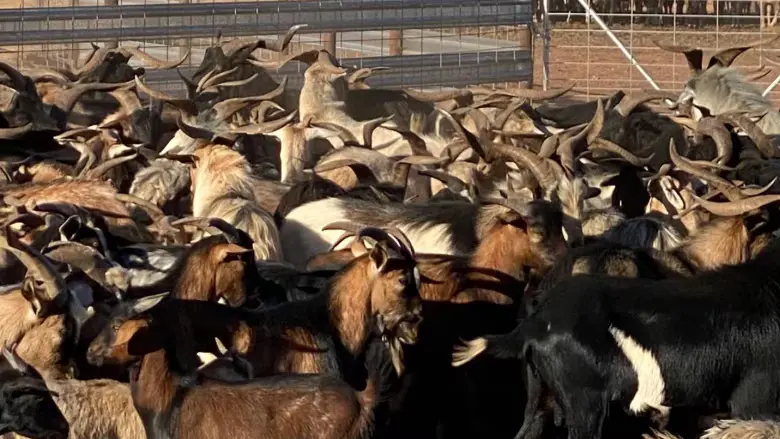
At Quondong Station in South Australia:
- Tens of thousands of feral goats are roaming
- Around 5,000 already culled in 2026
Why this matters:
- They eat grass AND trees (unlike sheep)
- Destroy fragile land
- Compete with livestock
👉 Farmers say they now have more goats than sheep
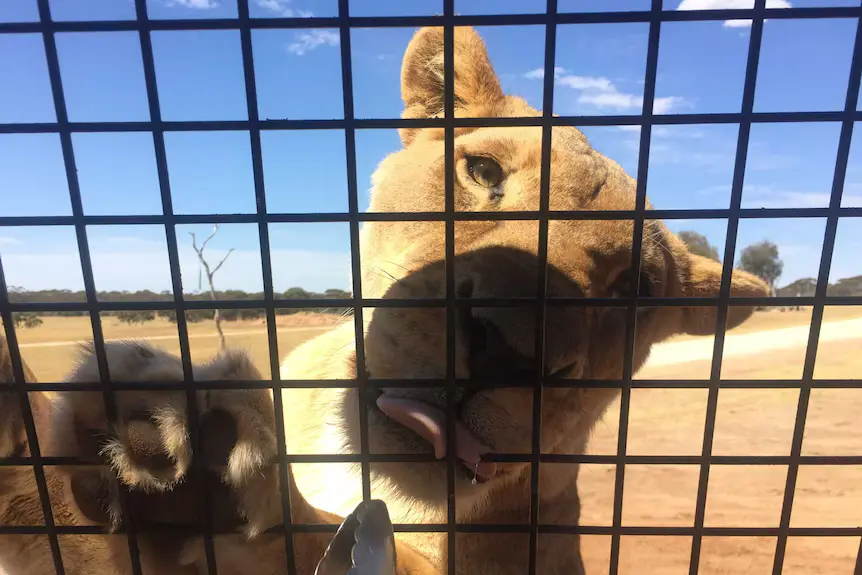
🦁 A Surprising Use
Some of the culled goats don’t go to waste:
- 410 goats were sent to feed lions at Monarto Safari Park
👉 It’s a rare example of linking:
- Pest control
- Zoo animal feeding
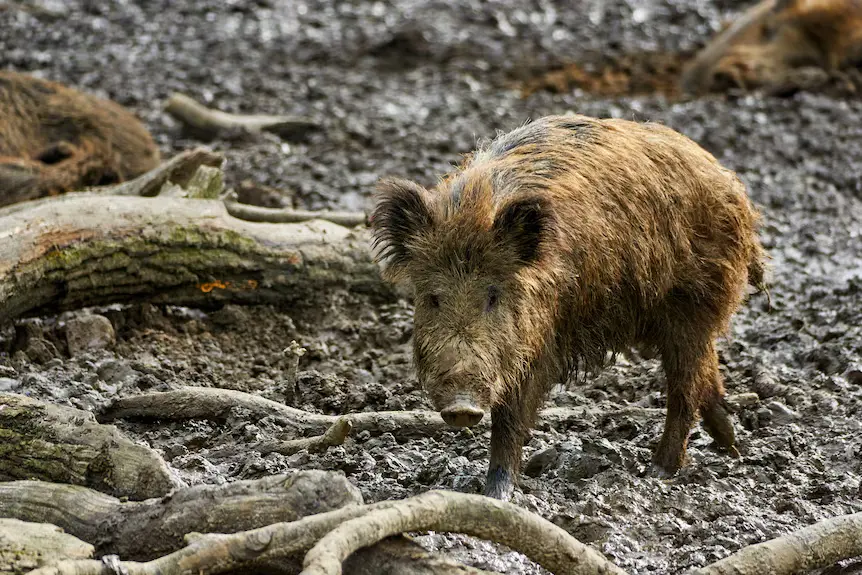
🐖 The $106 Million Pig Problem
Feral pigs are spreading rapidly:
- Cause $106 million damage annually to agriculture
- Eat crops, damage land, and even prey on lambs
- Can have:
- ~13 piglets per litter
- Multiple litters per year
👉 They’re extremely hard to control
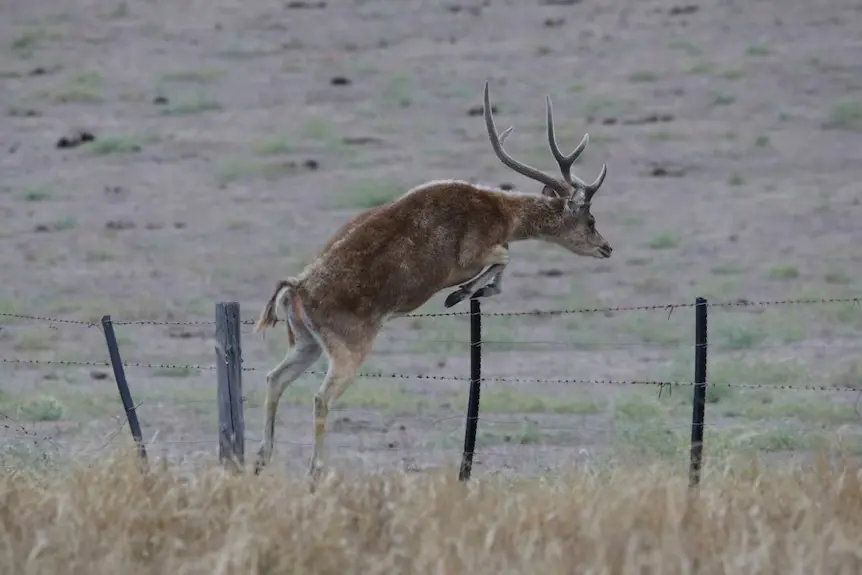
🦌 Deer: The Silent Invaders
Feral deer are another growing threat:
- Damage:
- Habitats
- Farms
- Fences and roads
- Create road safety risks
Even after culling:
👉 Populations bounce back quickly
🌍 Why This Is Happening
Several factors are driving the problem:
- Human introduction of species
- Changing climate (dry conditions)
- Fewer natural predators
- Economic shifts (e.g. falling goat meat prices)
👉 Result: populations spiral out of control
⚖️ The Hard Reality
This story shows a tough truth:
👉 Not all animal stories are about rescue
Sometimes it’s about:
- Protecting ecosystems
- Preventing suffering caused by overpopulation
- Making difficult decisions (like culling)
🔗 Connecting This to Your Other Stories
Across everything you’ve shared, there’s a pattern:
- Some animals need saving (rescues, shelters)
- Some need protecting (wildlife conservation)
- Some need managing (invasive species)
👉 Humans are deeply involved in all of it
Final Thought
This isn’t a simple “good vs bad” situation.
👉 It’s about balance.
Too few animals → extinction
Too many animals → environmental collapse
🌍 And finding that balance is one of the hardest challenges humans face.