

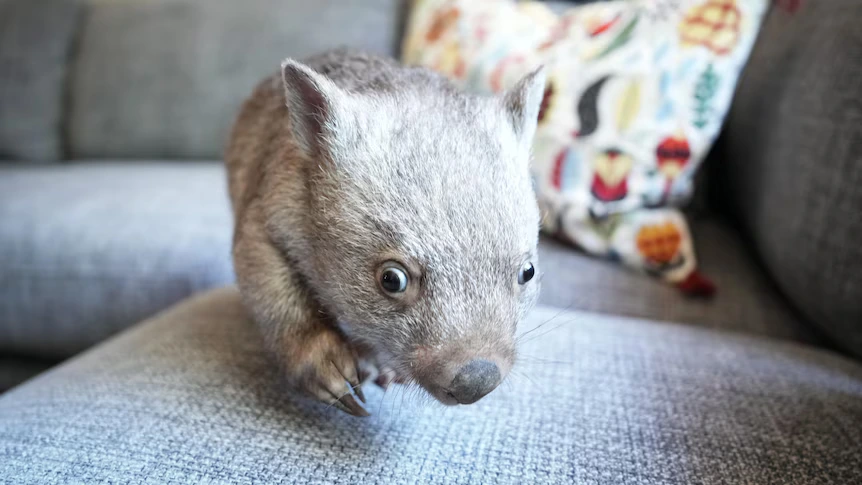
The ACT government is reviewing new ways to manage the territory’s wombat population as concerns grow among rural landholders and cases of mange continue to affect the species.
A newly released draft technical report outlines several proposed changes, including increased support for non-lethal wombat management techniques to help land managers reduce property damage.
According to the report, the ACT currently lacks clear policies or guidance on how wombats can be managed when conflicts arise. This absence of direction, it said, has caused ongoing frustration for rural leaseholders.
Among the more contentious proposals is a recommendation to allow people on rural properties to humanely euthanise wombats suffering from advanced mange. The report also suggests the government consider, as a longer-term measure, introducing a controlled native species management plan — similar to the existing framework used for eastern grey kangaroos.
Burrowing risks for landholders
Farming groups say wombat numbers have increased significantly in parts of the rural ACT, creating serious safety and land management challenges.
The ACT Rural Landholders’ Association of Farmers said wombat burrows can make paddocks unsafe for both people and machinery, with some areas becoming inaccessible due to the risk of falls or vehicle damage.
They also warned that extensive tunnel networks contribute to soil erosion and degrade waterways.
“The overabundance of wombats is having a direct impact on farm operations,” the association said, citing lost productive land, injuries to livestock, vehicle damage, and the potential for serious human accidents.
The group criticised the proposed approach as too slow, noting that neither the research nor a formal management plan has been funded in the current budget. As an interim solution, it is calling for farmers to be permitted to euthanise animals that are clearly unwell and to cull wombats in areas where numbers are visibly excessive, particularly near waterways.
Balancing conservation and damage control
ACT Conservator for Flora and Fauna Bren Burkevics said the draft report was the result of extensive scientific analysis aimed at finding a balanced solution.
“The review recognises multiple pathways forward,” Mr Burkevics said. “These include prioritising non-lethal management, exploring humane euthanasia options in rural settings, conducting further research, and ensuring any relocated wombats are released only at approved sites.”
He said the intention was to develop a comprehensive, evidence-based approach that protects both wildlife and infrastructure across the ACT.
Questions over evidence and population data
Wildlife advocates, however, have raised strong objections to the report’s findings.
Wombat Rescue founder and president Yolandi Vermaak said the recommendations appeared to rely heavily on anecdotal accounts rather than robust data.
“It’s deeply concerning to see such significant policy shifts proposed when the report itself admits there’s very limited knowledge about wombat numbers in the ACT,” Ms Vermaak said.
She warned that without accurate population estimates, introducing lethal control could risk triggering a sharp population decline.
Ms Vermaak is also worried that a controlled management plan could eventually allow bare-nosed wombats to be shot.
“This has been pushed by a small number of farmers for years,” she said. “It was always a matter of time.”
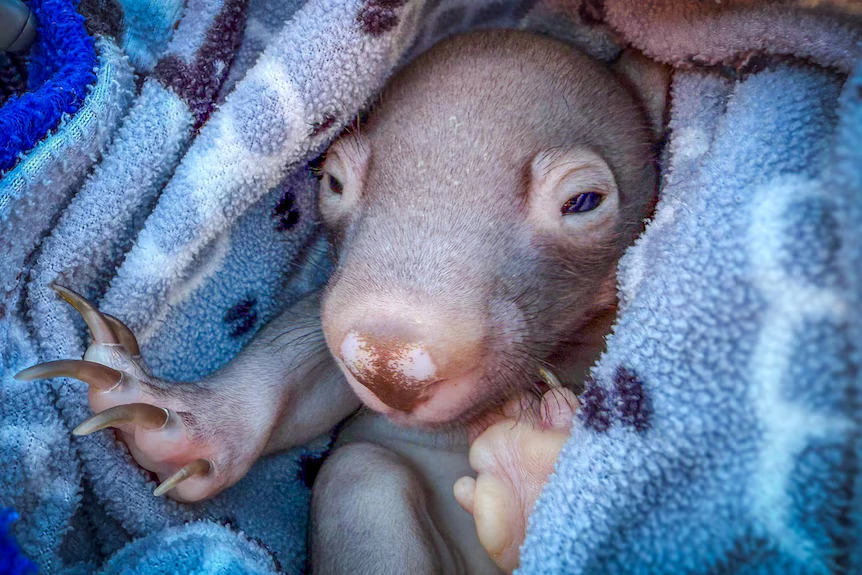
Regarding mange, Ms Vermaak said her organisation already has well-established procedures for assessing and treating infected wombats. She stressed that determining whether an animal can be saved requires training, experience, and careful consideration of multiple health factors.
“About 90 per cent of the mange cases we treat on-site can recover,” she said. “Landholders may know how to use a firearm, but they’re not trained to assess disease severity or decide when euthanasia is truly necessary.”

Political concerns
ACT Greens deputy leader Jo Clay echoed those concerns, saying the report lacked a solid ecological foundation.
“There is no clear scientific evidence presented to justify lethal control,” Ms Clay said. “This proposal appears to be based on complaints from just three farmers out of hundreds.”
She also questioned the timing of the report, suggesting the broader community and relevant experts may not have had sufficient opportunity to engage.
Ms Clay said any move toward lethal wildlife management would alarm many ACT residents.
“Our community expects high animal welfare standards,” she said. “Decisions about killing native wildlife must be backed by strong evidence, strict controls, and clear accountability.”
Government response
An ACT government spokesperson said officials were seeking a balanced approach that considers conservation, animal welfare, and the needs of rural landholders.
They rejected claims that the proposals would permit widespread or indiscriminate killing of wombats.
“Wombats would remain a protected native species under the Nature Conservation Act,” the spokesperson said. “All existing legal protections and penalties would continue to apply.”