

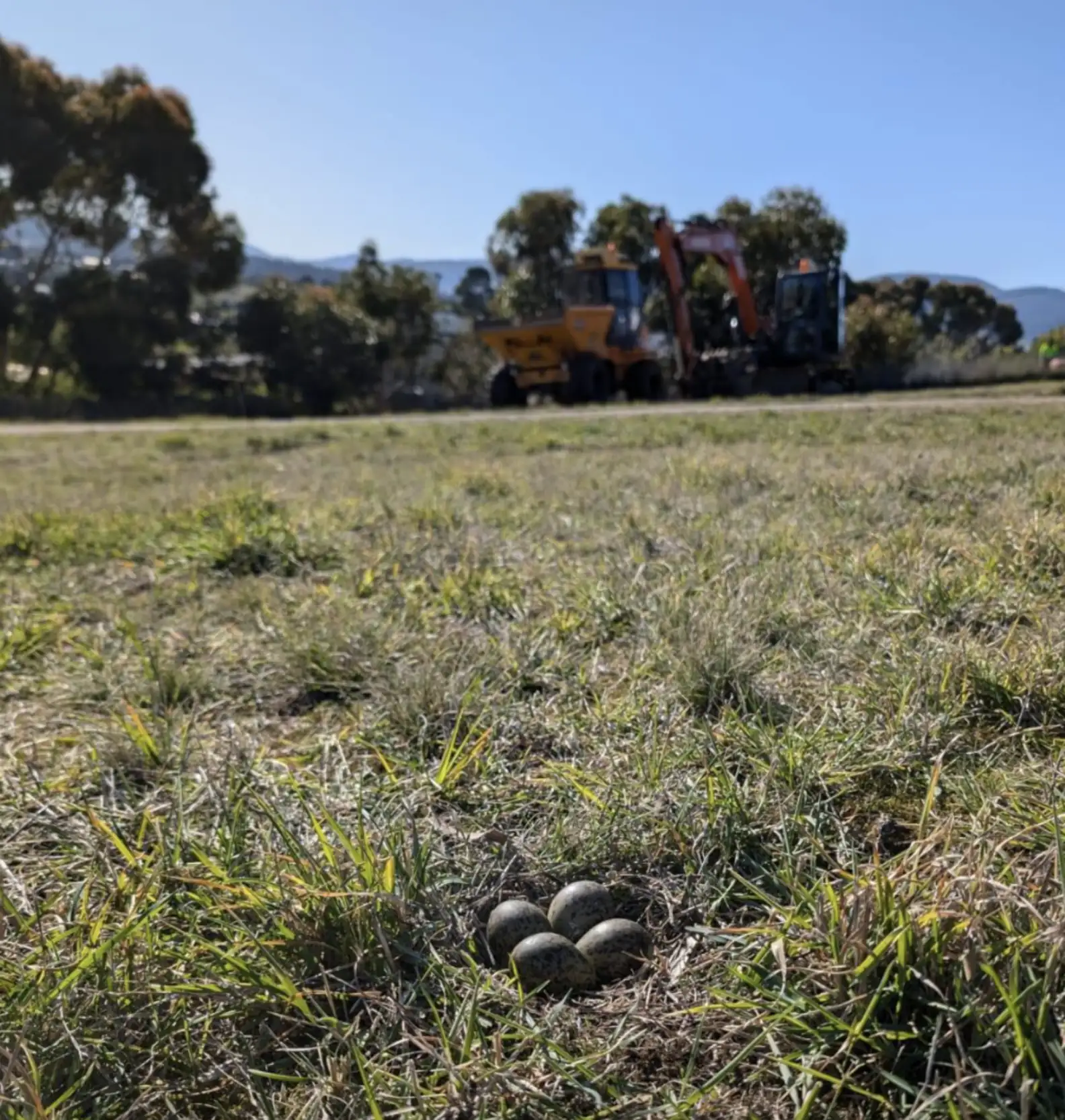
“Wildlife safety always comes first.”
Recently, staff at Bonorong Wildlife Sanctuary spotted something unusual while walking near a construction area: four speckled eggs resting in the grass. Recognizing the potential danger, the team quickly paused the work and called off the maintenance crew.
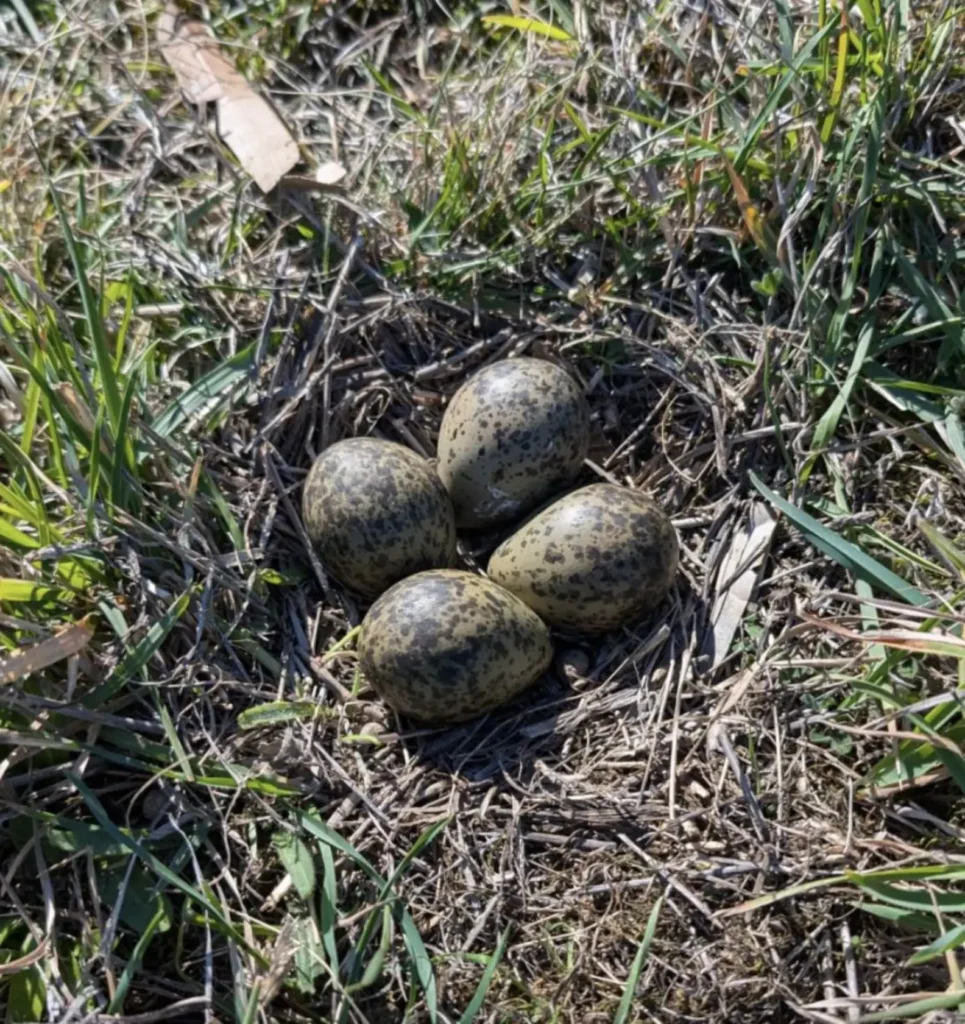
“We were carrying out some driveway improvements when we noticed the eggs,” operations manager Petra Harris told The Dodo. “While machinery is often necessary, the safety of wildlife always comes first.”
For the construction team, the appearance of the eggs may have seemed random, but sanctuary staff knew exactly who had laid them: a pair of masked lapwings, large ground-nesting birds native to Australia, New Zealand, and New Guinea.
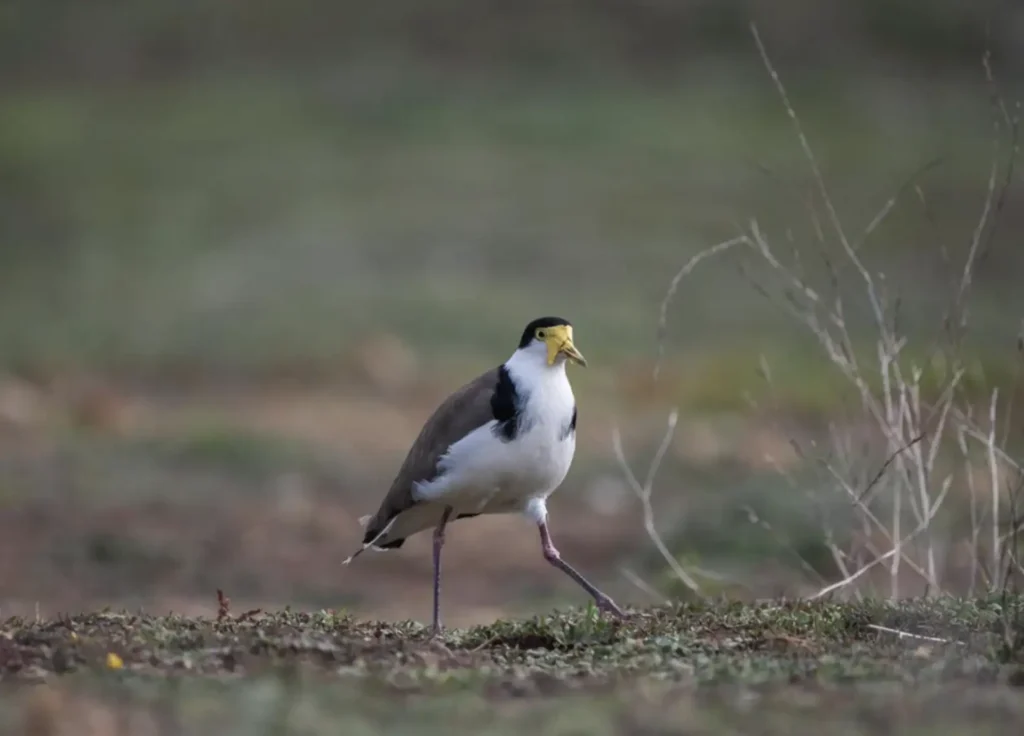
Fortunately, the brief pause in work didn’t scare the parent birds away. “They were nearby the whole time, keeping watch,” Harris said. “As soon as we stepped back, the parents returned to care for their eggs.”
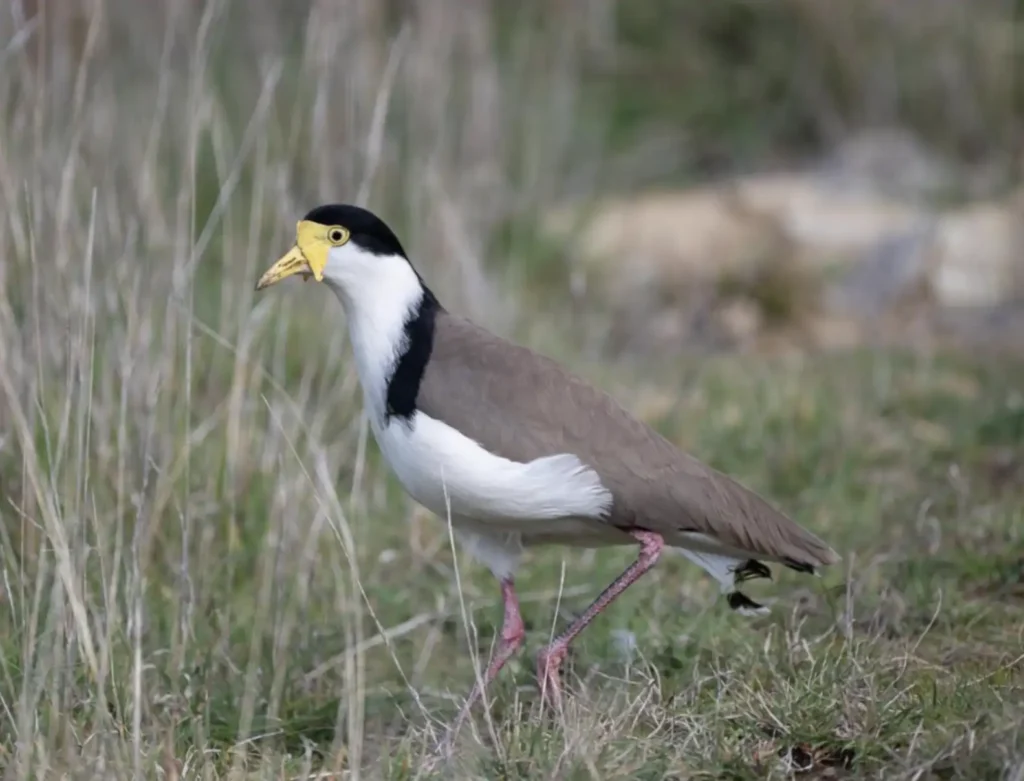
Protecting ground nests is crucial. Harris explained, “If disturbed, lapwing parents may temporarily abandon their eggs, leaving them exposed to predators or cold. Ensuring the nest is safe gives their chicks the best chance of survival.”
Thanks to careful monitoring, the eggs hatched, and the fluffy chicks are now safely under their parents’ watch. Over the next 5 to 7 months, the young birds will learn essential survival skills. Many masked lapwing families remain together even after the chicks learn to fly, sometimes staying united for up to two years.
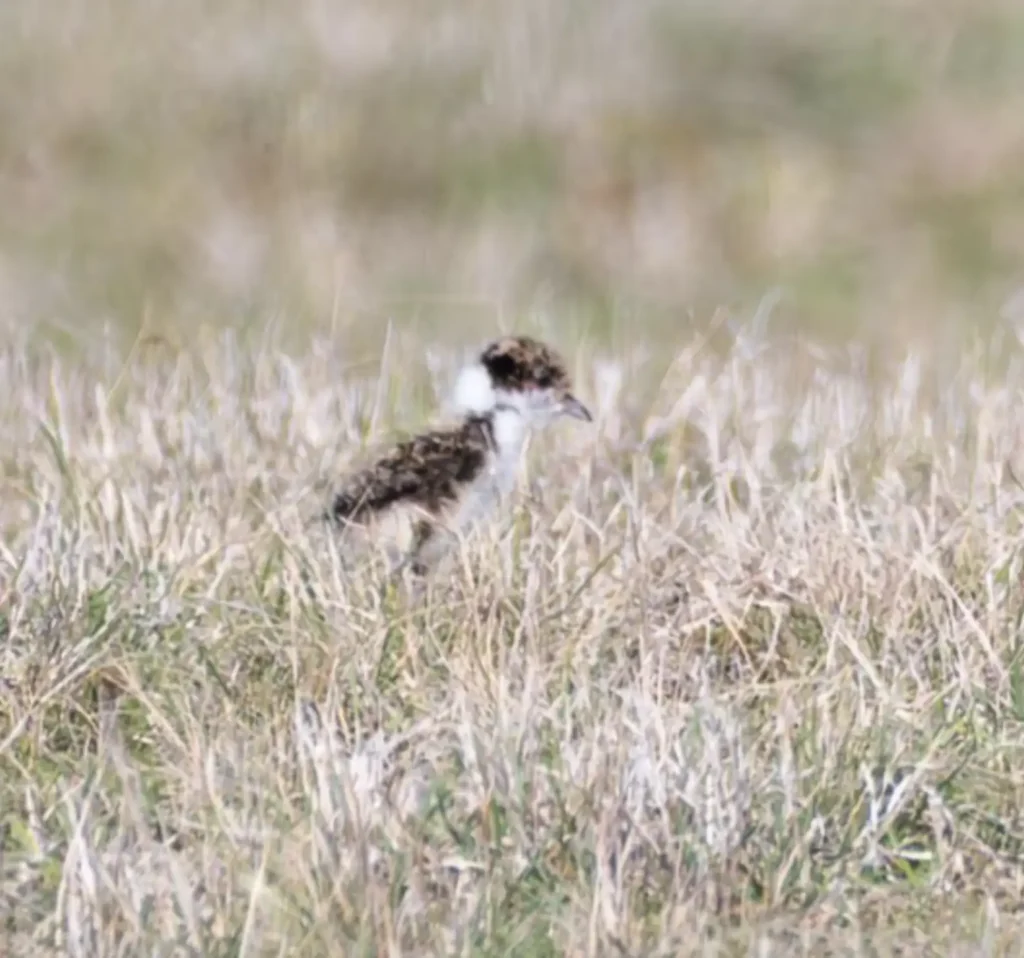
Because the sanctuary staff prioritized vigilance and patience, these remarkable birds have the opportunity to grow up safely in their natural environment.