

Marine Heatwave Threatens Dugongs With Starvation in Western Australia’s Exmouth Gulf
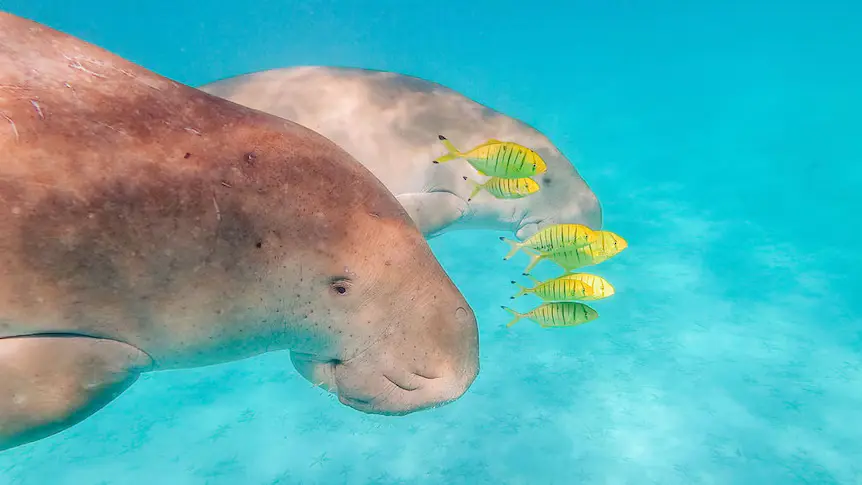
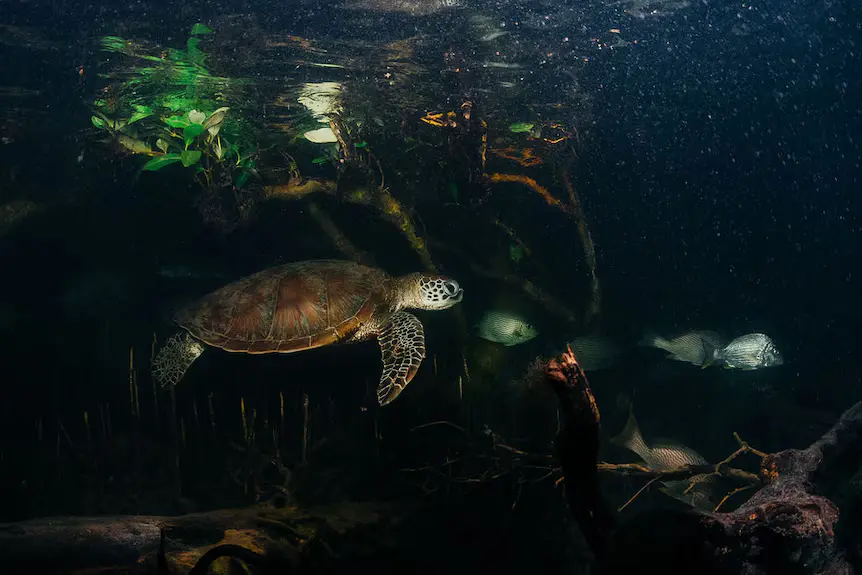
A prolonged marine heatwave off the coast of Western Australia is causing severe disruptions to the delicate balance of life in the Exmouth Gulf, placing dugongs — gentle, seagrass-grazing marine mammals — at serious risk.
The once-rich seagrass meadows, critical to dugong survival, are vanishing. According to researchers, unusually high ocean temperatures since September have wiped out half the seagrass species in the gulf — including the two preferred by dugongs.
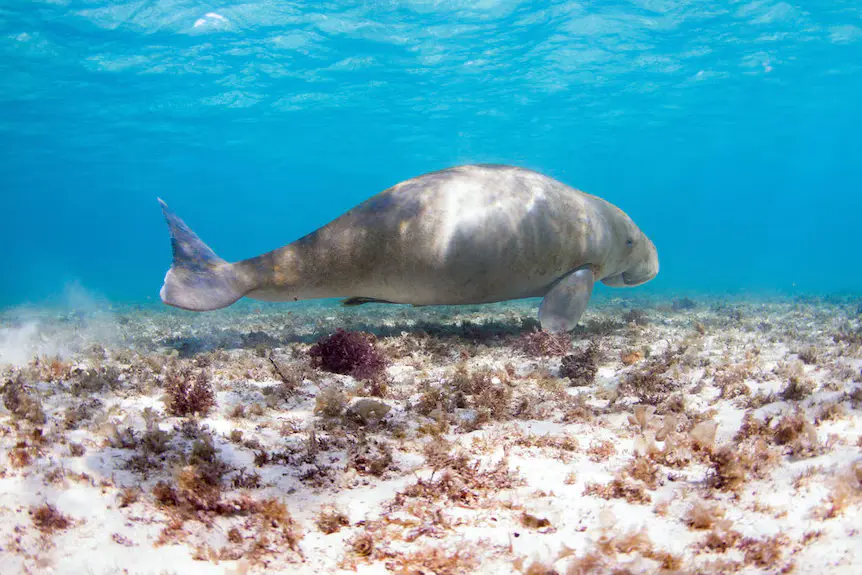
“This area used to support four main types of seagrass,” said Nicole Said, a research associate at Edith Cowan University. “Now we’re down to two, and unfortunately, they’re not the species dugongs typically feed on.”
The Exmouth Gulf supports Western Australia’s second-largest dugong population, estimated at around 1,000. With their staple diet severely diminished, dugongs may be forced to move into less sheltered waters, putting them at greater risk from predators, human activity, and starvation.
Climate Impacts Ripple Through the Ecosystem
This isn’t the first time marine heatwaves have impacted dugong populations. A similar event in 2010–2011 saw the local dugong population plummet, with starvation-related deaths documented as seagrass meadows struggled to recover.
“We’ve seen dugongs temporarily abandon the gulf in past years,” Said explained. “They tend to migrate toward Ningaloo or Barrow Island when food becomes scarce — but with increasing frequency and intensity of these heatwaves, we’re entering uncharted territory.”
Restoring damaged seagrass beds can take two to three years, a slow recovery pace that may not keep up with accelerating climate stress.
Community Calls for Protection
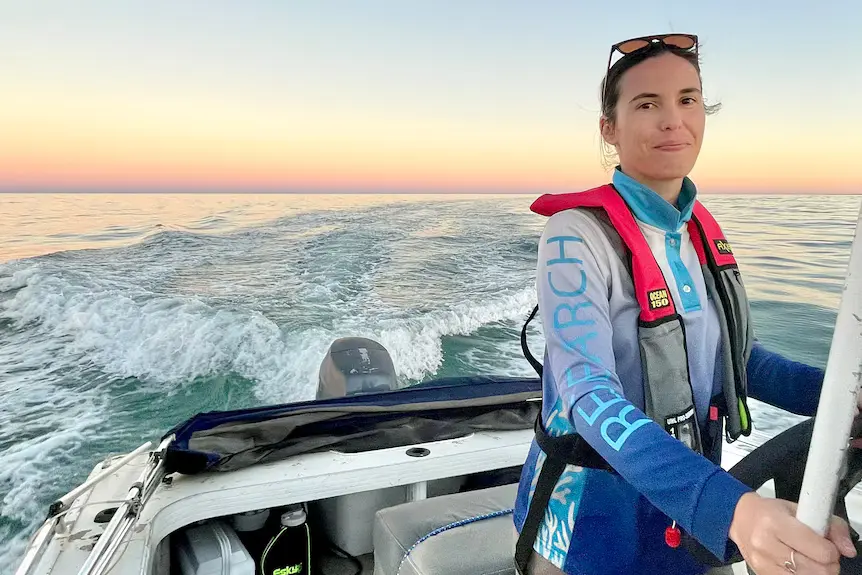
Local researchers and residents are calling for urgent conservation measures. At a recent community forum hosted by the Exmouth Gulf Taskforce, environmental scientist Dr Amanda Hodgson emphasized how interconnected the region’s marine life is.
“These ecosystems are incredibly fragile,” she said. “What we’re witnessing now could signal collapse if things don’t change.”
The taskforce has been evaluating whether to expand marine protections across the entire gulf, and a final report is due soon to WA Environment Minister Matthew Swinbourn.
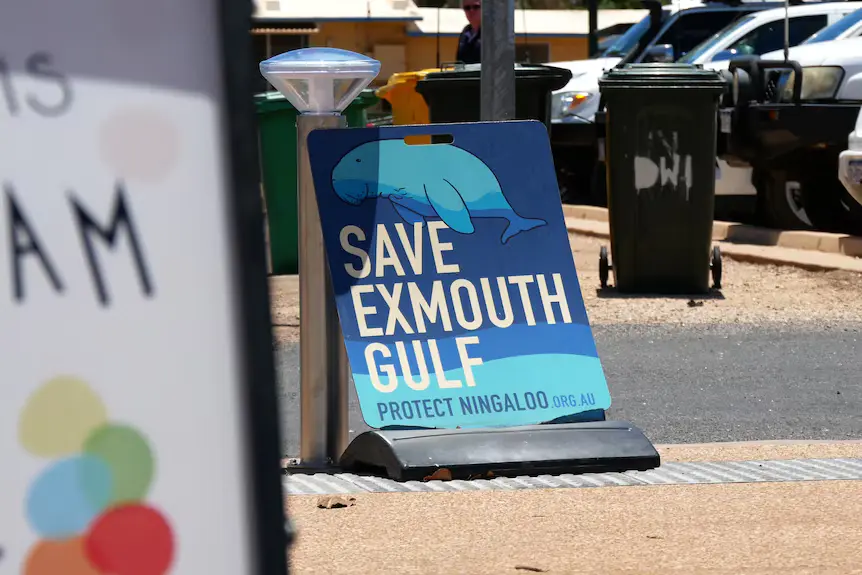
Previously, the state government pledged to create marine parks in some areas of the gulf. But in light of the recent heatwave, there’s growing pressure to extend those protections across the entire region.
“This is our backyard,” Hodgson said. “And right now, it feels like both the environment and community have been overlooked.”
Economic Tensions Surface
However, not all voices are in favor of broad protections. In Onslow, a nearby working town heavily reliant on industries like prawn fishing, some residents expressed concern that expanding marine park zones could hurt the local economy.
“This place runs on fishing,” said retiree Felicity Brennan. “Protect the south, sure, but turning the whole gulf into a marine park won’t cool the ocean — and it might leave this town behind.”
Government Response
Minister Swinbourn acknowledged the concerns but emphasized the global scale of the marine heatwave.
“Our coastline is enormous, and our population is small,” he said. “We can’t singlehandedly stop climate events of this magnitude, but we are committed to monitoring and adapting.”
The Department of Biodiversity, Conservation and Attractions (DBCA) is expected to continue tracking the long-term impacts of the heatwave, while the Exmouth Gulf Taskforce prepares to deliver its final recommendations.